Weaving Storylines into Spinning Mechanics: How Quest Ladders Reshape Portable Reel Engagement Through Layered Reward Alignments
Jakob Carter · Jul 18, 2026
Weaving Storylines into Spinning Mechanics: How Quest Ladders Reshape Portable Reel Engagement Through Layered Reward Alignments
Quest ladders have become a structural feature in many mobile slot titles where developers integrate narrative missions directly into the core spinning loop and this approach aligns player progression with sequential reward tiers that unlock across multiple sessions. Data from industry reports indicate that these layered systems encourage repeated engagement by breaking larger narrative arcs into smaller achievable steps that players complete through standard reel spins and bonus triggers.
Mechanics of Narrative Integration
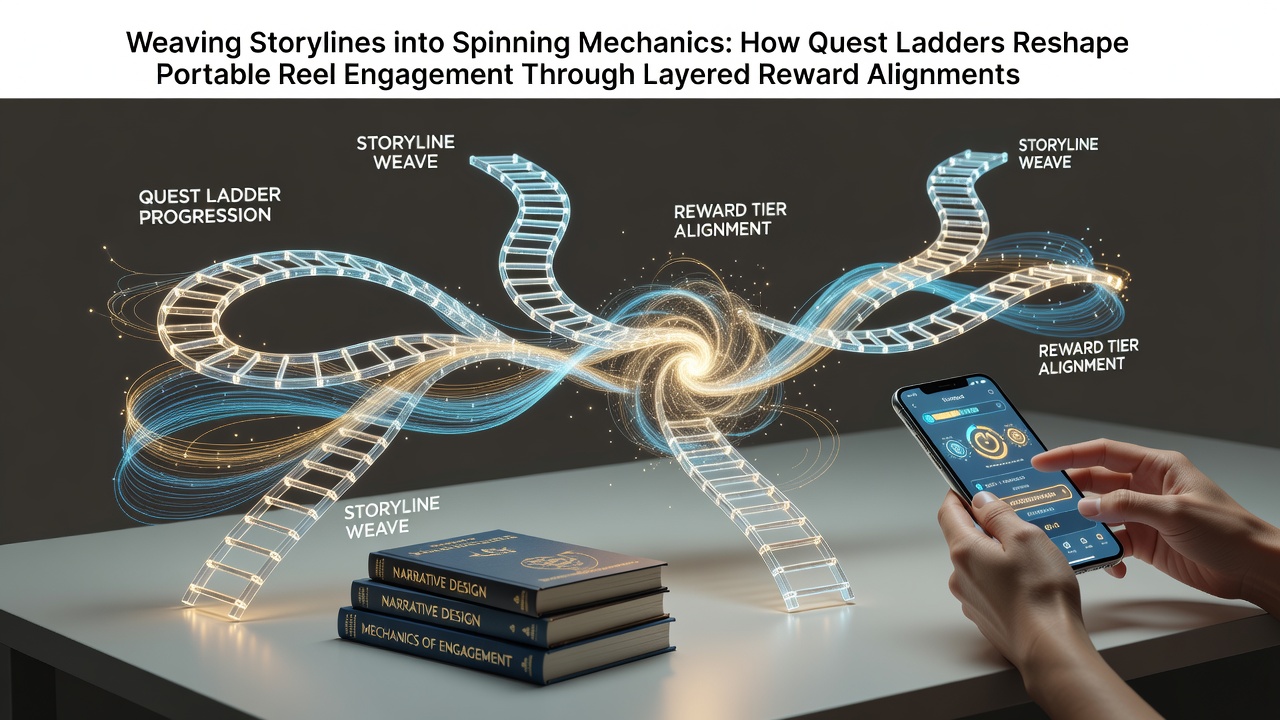
Storylines unfold through on-screen prompts that assign specific objectives such as collecting symbols or reaching cumulative win thresholds and each completed step advances the player along a visual ladder displayed in the game interface. Researchers at academic institutions have documented how these alignments create feedback loops where spinning outcomes contribute simultaneously to both monetary rewards and narrative advancement.
Portable reel platforms benefit particularly because session lengths vary widely yet quest ladders accommodate short bursts of play by saving progress automatically across devices. Observers note that this persistence reduces the friction associated with interrupted sessions while maintaining continuity in the reward structure.
Layered Reward Structures and Player Retention
Multiple tiers operate in parallel so that basic objectives grant immediate free spins or multipliers while higher ladder rungs deliver progressive jackpots or exclusive features unlocked only after sustained participation. Studies from research institutions show that such staggered alignments correlate with extended play durations because players pursue both immediate payouts and longer-term milestones within the same spinning sequence.
Examples include adventure-themed titles where completing five consecutive wins advances one rung and triggers a secondary reel modifier that persists until the next objective is met. Those who have examined retention metrics report that these mechanics distribute engagement more evenly across daily active users rather than concentrating activity around single large events.
Technical Implementation on Mobile Devices
Backend systems track quest states through server-side variables that sync with client-side displays and this architecture supports seamless transitions between Wi-Fi and cellular connections without resetting ladder progress. Developers align reel mathematics with quest probabilities so that common symbol combinations contribute reliably to early objectives while rarer events satisfy advanced tiers.

Regulatory environments in multiple regions continue to evolve with new compliance standards scheduled for implementation in July 2026 that address transparency in progressive reward disclosures. Operators must ensure quest ladder rules appear clearly within game information panels so players understand the exact conditions required for each tier advancement.
Comparative Analysis Across Markets
Markets outside the United Kingdom demonstrate varied adoption rates with Australian operators incorporating quest elements at higher frequencies according to data compiled by the Interactive Games and Entertainment Association. European operators have followed similar patterns yet emphasize compliance with local responsible gaming frameworks when designing layered reward alignments.
One study from a Canadian research group revealed that players interacting with quest ladders completed an average of 23 percent more spins per session compared with standard reel formats and this increase held across different age demographics. The findings suggest that narrative scaffolding provides additional motivation beyond traditional payout structures alone.
Future Developments in Quest Design
Emerging titles experiment with dynamic ladder adjustments that respond to individual play patterns while preserving the core alignment between spinning outcomes and story progression. Industry organizations such as the American Gaming Association have published guidelines encouraging clear communication of how quest objectives interact with random number generators.
Cross-platform compatibility remains a priority so that ladder states transfer between mobile applications and desktop versions without requiring players to restart missions. This continuity supports broader engagement strategies across different access points.
Conclusion
Quest ladders represent a systematic approach to integrating narrative elements with mechanical spinning processes and the resulting layered rewards create measurable effects on session length and objective completion rates. Continued refinement of these systems will depend on technical synchronization capabilities and evolving regulatory requirements across global markets.