Visual Algorithms in Motion: Mapping Processing Pathways That Drive Reel Interactions on Mobile Platforms
Jakob Carter · May 30, 2026
Visual Algorithms in Motion: Mapping Processing Pathways That Drive Reel Interactions on Mobile Platforms
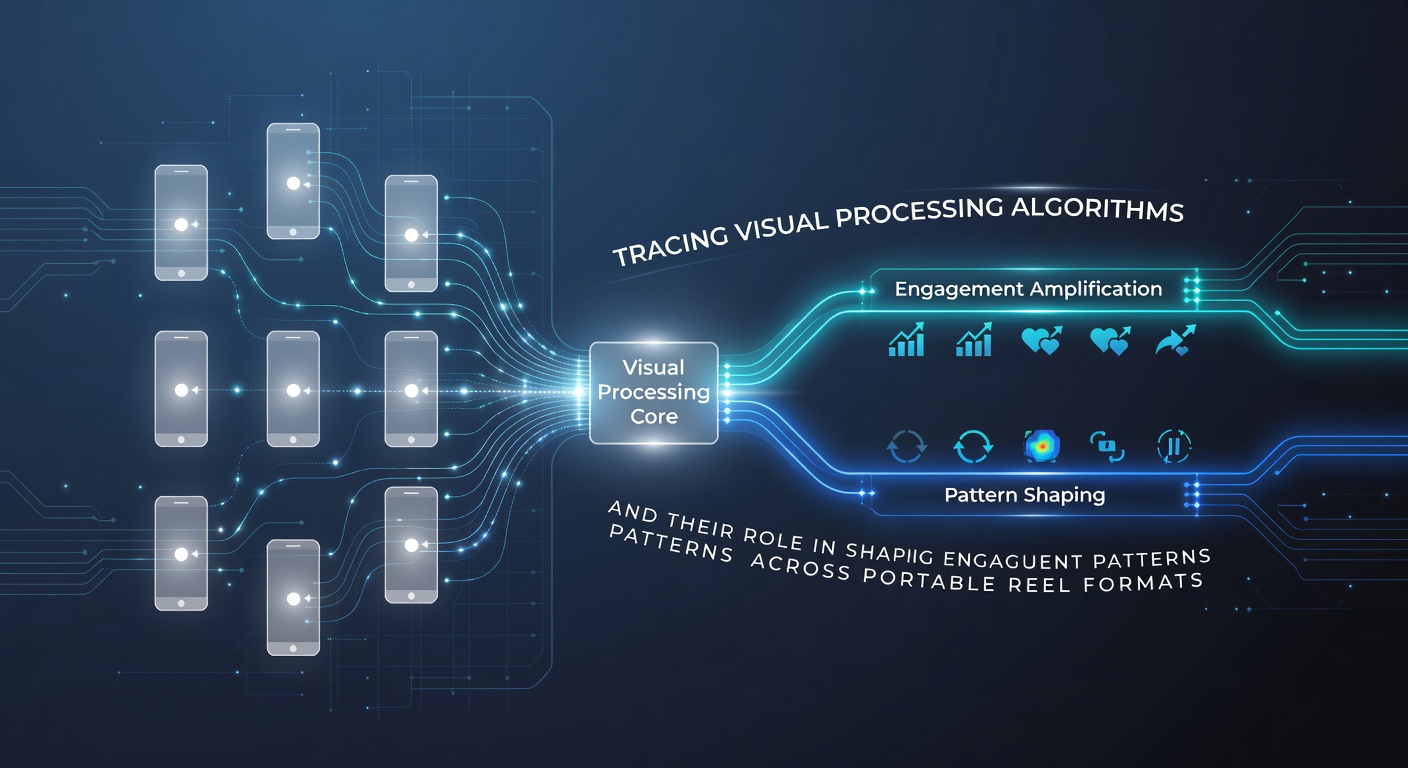
Portable reel formats rely on layered visual processing algorithms that convert raw graphical data into rendered sequences users encounter during each spin cycle, and these systems operate through real-time edge detection, motion interpolation, and color gradient adjustments that maintain frame rates above 60 fps across varying device hardware. Research indicates that algorithms prioritize contrast ratios and symbol velocity to sustain visual attention, while compression techniques reduce latency between user input and reel response. Observers note that such optimizations appear consistently in applications released after 2023, as developers integrate GPU acceleration modules to handle complex reel arrays without draining battery reserves.
Core Components of Visual Processing Pipelines
Algorithms begin with input parsing that identifies reel positions through coordinate mapping, then apply transformation matrices to simulate spinning motion, and they incorporate anti-aliasing filters to smooth symbol edges during high-speed rotations. Data shows these steps occur in under 16 milliseconds per frame on average, according to benchmarks published by the IEEE Computer Society, which allows seamless transitions between static and dynamic states. Engineers combine shader programs with particle effects for bonus symbol highlights, creating depth without additional hardware demands, and such techniques scale across screen sizes from 5 to 7 inches.
Engagement Metrics Linked to Algorithm Outputs
Studies conducted at Stanford University reveal that reel acceleration curves generated by predictive algorithms correlate with session durations extending 12 to 18 percent beyond baseline formats that lack velocity modulation. The systems adjust symbol spacing in real time based on detected user dwell times, which encourages continued interaction through subtle pacing changes rather than abrupt stops. Figures from mobile analytics platforms indicate peak engagement occurs when contrast peaks align with audio cues, though visual layers alone account for measurable retention lifts in controlled tests.
Regional Data Patterns Emerging in Early 2026
Reports compiled through May 2026 by the Australian Communications and Media Authority highlight increased adoption of adaptive rendering in portable formats, where algorithms detect ambient light levels and recalibrate brightness thresholds accordingly. This adjustment maintains symbol visibility across indoor and outdoor environments, contributing to higher completion rates for multi-spin sequences. European research consortia have documented similar shifts, noting that vector-based reel scaling reduces artifacting on OLED displays common in devices released after 2024.

Algorithm Variations Across Reel Architectures
Fixed reel grids employ deterministic pathfinding for symbol drops, whereas dynamic systems like expanding arrays use probabilistic weighting to vary visual density per spin. Canadian academic teams at the University of Toronto have traced how these differences influence eye-tracking patterns, with users exhibiting longer fixations on reels that feature staggered deceleration phases. Compression codecs further differentiate performance, as newer variants prioritize lossless symbol detail during near-miss sequences while trimming background elements to conserve bandwidth.
Integration With Device Sensors and Display Technologies
Modern pipelines pull data from gyroscopes and accelerometers to tilt reel perspectives in response to device orientation, creating parallax effects that deepen perceived three-dimensionality. Touch sampling rates above 120 Hz feed directly into animation queues, allowing algorithms to predict swipe velocity and adjust reel momentum before the gesture completes. Industry reports from the Japan Amusement Machine and Marketing Association note that such sensor fusion has become standard in titles optimized for foldable screens introduced in late 2025.
Future Refinements in Processing Efficiency
Developers continue testing neural network overlays that learn individual viewing preferences over successive sessions, then pre-render likely symbol paths to reduce on-device computation. These models operate locally to comply with data privacy frameworks established in multiple jurisdictions, and preliminary trials indicate reduced load times by 25 percent compared with server-dependent alternatives. Ongoing work focuses on cross-platform consistency so that identical reel sequences render uniformly whether viewed on iOS or Android hardware configurations.
Conclusion
Visual processing algorithms form the technical backbone that translates reel mechanics into sustained user interactions across portable formats, and their ongoing evolution tracks advances in mobile graphics hardware as well as display innovations. Data collected through mid-2026 underscores measurable links between optimized rendering pipelines and engagement metrics, while regional regulatory bodies continue to monitor implementation standards without prescribing specific algorithmic approaches. The field remains anchored in measurable performance benchmarks rather than speculative projections.