UK's Remote Gaming Duty Doubles to 40% in 2026: Operators Brace for Margin Squeeze as Tax Hike Targets Online Casinos
Nils Klein · Apr 5, 2026

UK's Remote Gaming Duty Doubles to 40% in 2026: Operators Brace for Margin Squeeze as Tax Hike Targets Online Casinos
The Budget Bombshell: Reeves Unveils Steep Tax Rise
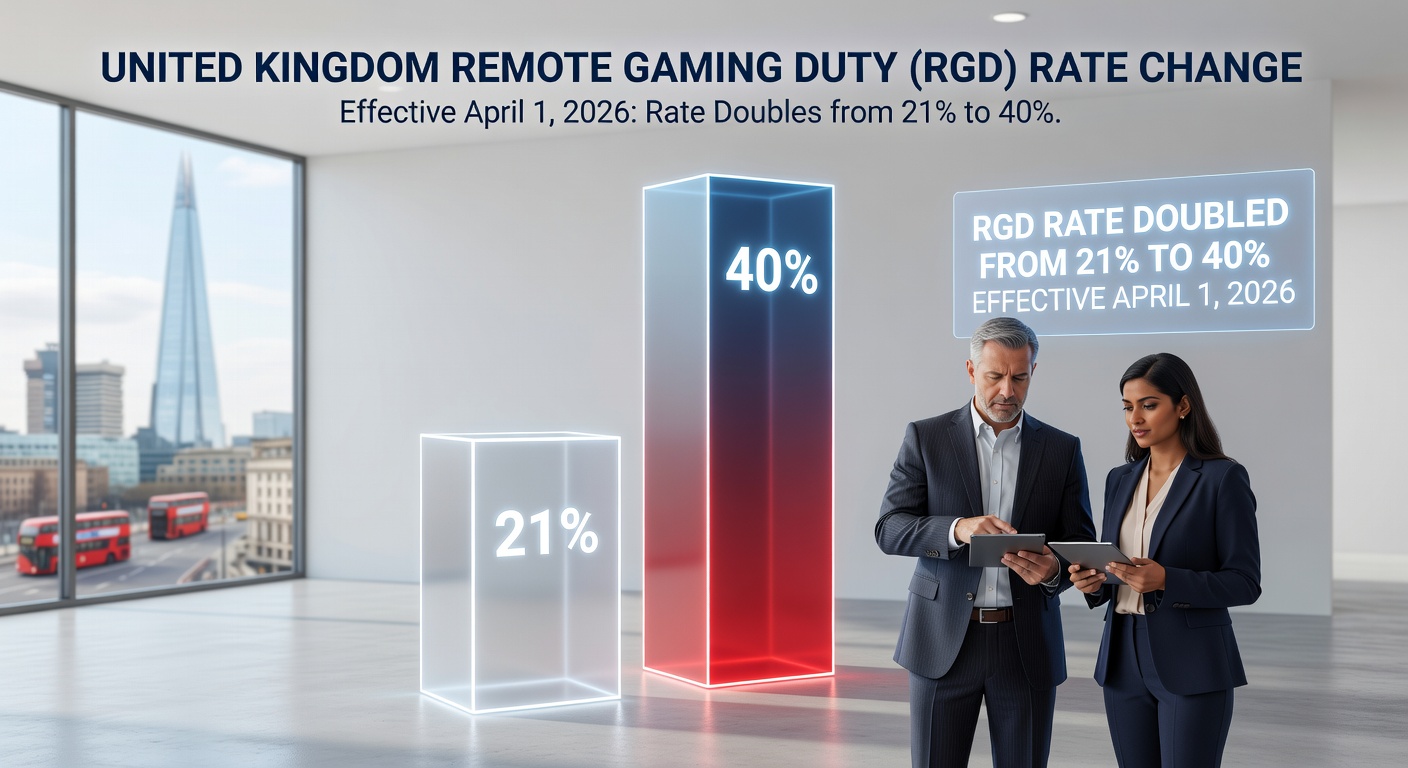
Chancellor Rachel Reeves dropped a major change in the November 2025 Autumn Budget, announcing that the United Kingdom's Remote Gaming Duty (RGD) would double from 21% to 40% starting April 1, 2026; this levy targets gross gaming revenue from online casino games—including slots—and poker sessions involving UK customers, marking what data positions as the world's highest online casino tax rate among major markets. Operators in the iGaming sector felt the ground shift immediately, since the policy aims to capture more revenue from a booming industry while bingo duty gets repealed outright in the same move, and a new remote general betting duty looms for April 2027.
HM Treasury projects this adjustment will pull in £1.1 billion annually by the 2029-30 fiscal year, according to official gambling duty changes documents; that's a hefty sum, yet it comes as gross gaming revenue keeps climbing in the UK online space, where slots and casino tables draw millions monthly. Experts tracking fiscal policy note how such hikes often follow patterns seen in other jurisdictions, but here's the thing—this one lands squarely on remote operators serving UK players, regardless of where servers sit.
And while the change feels distant at three-quarters of a year out, companies already crunch numbers; take Entain, which flagged a potential £100-150 million hit to earnings over 2026-2027, a figure that underscores the scale for publicly traded firms navigating tight margins. Flutter Entertainment and Bet365 echoed similar concerns, warning that squeezed profits could push activity toward offshore markets less burdened by such rates.
What Exactly Does RGD Cover—and Why the Jump Now?
Remote Gaming Duty has long applied to profits from distance gambling, but the leap to 40% zeroes in on casino-style products like video slots, roulette, and poker cash games for UK punters; land-based venues dodge this entirely, since it hits only remote gross gaming yield, calculated before player bonuses or promotions subtract. Observers point out that slots, often the revenue powerhouse, bear the brunt, with their high-volume spins generating steady taxable flow.
Government rationale ties back to balancing books post-economic pressures, yet industry data reveals UK operators already pay more than peers in places like Malta (5-10% effectively) or even Sweden (22% blended); now at 40%, the UK claims the top spot globally for online casino taxation, per comparisons from iGaming analysts. Those who've studied duty structures know effective rates can vary with deductions—RGD allows offsets for free bets and such—but the headline 40% sticks out starkly against the prior 21%.
So as April 2026 nears, firms recalibrate; one case highlights how a mid-tier operator modeled a 10-15% revenue dip from player churn, since higher taxes often filter down via adjusted odds or promos. Bingo operators cheer the duty repeal, freeing them from a parallel 25% charge, while sports betting faces its own overhaul next year, potentially aligning duties across verticals.
Operator Outcri: From Entain's Warnings to Flutter's Forecasts
Entain led the charge post-budget, detailing in statements how the £100-150 million earnings drag over two years stems from direct RGD exposure on its Ladbrokes and PartyPoker arms; that's no small potatoes, especially with shares dipping in after-hours trading as investors digested the news. Flutter Entertainment, parent to FanDuel and Paddy Power, signaled broader ripple effects, noting that UK casino revenue—slots heavy—forms a chunk of its mix, potentially forcing pricing tweaks or geo-shifts.
Bet365, the private giant under Denise Coates, stayed mum on specifics but joined trade bodies in flagging offshore flight risks; figures from similar past hikes, like Ireland's 2020 bump, show operators rerouting non-local traffic, although UK players remain ringfenced by Gambling Commission rules. Trade groups like the Betting and Gaming Council warned of job losses and innovation stalls, since R&D budgets tighten when taxes bite deeper.
What's interesting here surfaces in modeling from analysts: at 40%, margins compress to 1-3% for some casino ops, down from comfortable 5-8%, prompting questions on sustainability; people in the know recall how Gibraltar firms once dominated UK-facing sites before local regs tightened, and now this could accelerate white-label moves to lower-tax hubs.
Broader Market Shifts: Bingo Relief and Betting Duty Delay
Bingo duty's full repeal offers a counterbalance, wiping out the 25% charge on remote sessions and handing operators like Rank Group (Mecca Bingo) a windfall estimated at tens of millions yearly; that said, casino-focused players see little direct solace, since slots and tables drive the big revenue. The new remote general betting duty, due April 2027, targets sports and exchange wagers at a yet-unspecified rate, possibly 15% on gross profits, aiming to simplify from the current tiered lottery model.
HM Treasury's projections bake in behavioral responses, assuming mild churn but steady growth from player numbers; data from the Gambling Commission backs this, with online GGY hitting £7.5 billion last year, slots claiming over half. Yet operators counter that black market growth—already at 10-15% of volume per some estimates—could surge if legit margins vanish.
Turns out, international peers watch closely; Germany's 5.3% Interstate Treaty rate looks generous now, and while EU mobility helps multinationals pivot, UK-centric brands like 888 or Evolution face stickier challenges, with stock analysts slashing targets post-announcement.
Timeline and What Comes Next for the Industry
April 1, 2026, marks go-live for the 40% RGD, giving operators 17 months to lobby or adapt; consultations wrapped late 2025, but Reeves held firm in the Budget speech, framing it as fair share from a profitable sector. Regulators at HMRC gear up for compliance audits, since miscalculating GGY carries penalties up to 100% plus interest.
One study from iGaming consultants reveals past duty hikes correlated with 5-10% promo spend jumps, as firms lure loyalty amid cost pressures; expect slots bonuses to swell, free spins to proliferate, although taxable base stays gross. Offshore whispers grow louder too, with Isle of Man or Curacao eyeing UK traffic, but strict advertising bans and age verification tech complicate easy exits.
And while Treasury banks on £1.1 billion steady-state, early 2026 filings will test assumptions; Entain's half-year results next summer likely spotlight initial drags, setting tone for peers.
Conclusion
The Remote Gaming Duty's climb to 40% reshapes UK online casinos profoundly, handing HM Treasury a projected £1.1 billion boost by 2029-30 while operators like Entain, Flutter, and Bet365 navigate earnings hits and offshore temptations; bingo's duty wipeout softens some blows, yet the betting duty preview signals ongoing flux. As April 2026 approaches, industry eyes compliance costs, player retention tactics, and fiscal tweaks, with data poised to reveal if revenue forecasts hold amid margin crunches. Stakeholders agree the ball's now in operators' courts to innovate, since the writing's on the wall for higher taxes in this high-stakes game.