Transaction Velocity Redefines Multi-Tier Bonus Architectures in Portable Reel Systems
Nils Klein · Aug 6, 2026
Transaction Velocity Redefines Multi-Tier Bonus Architectures in Portable Reel Systems
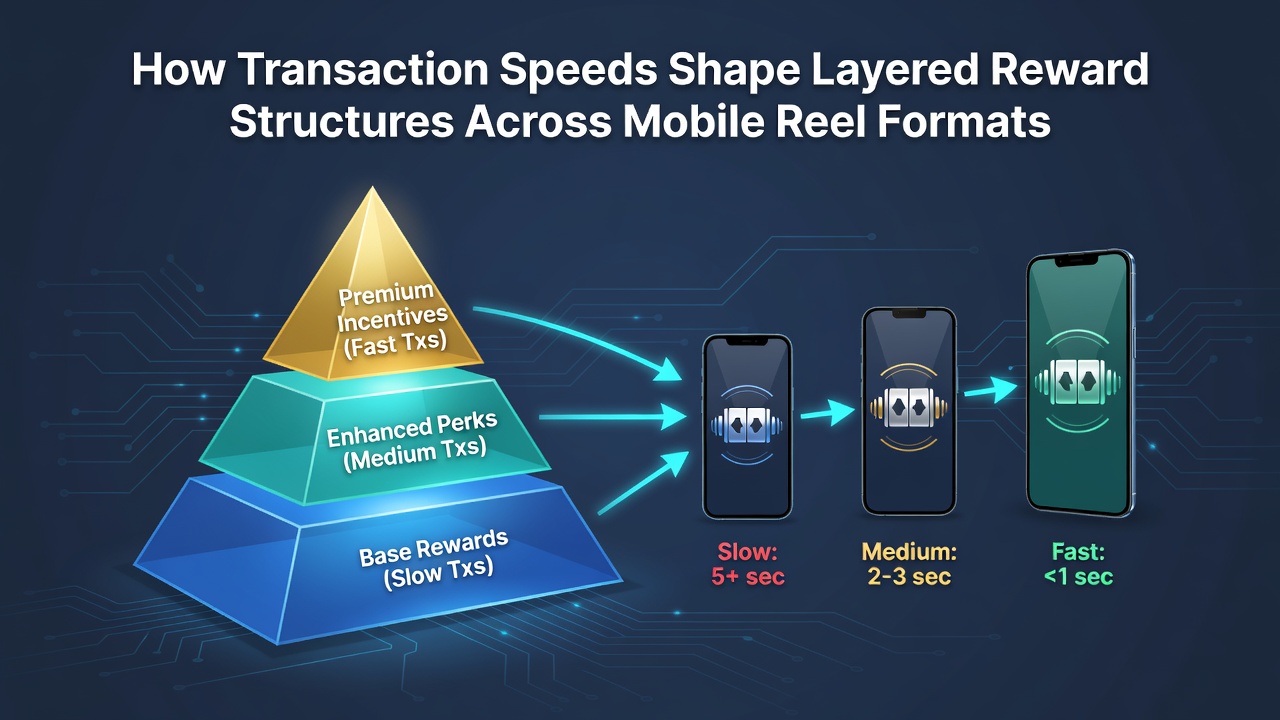
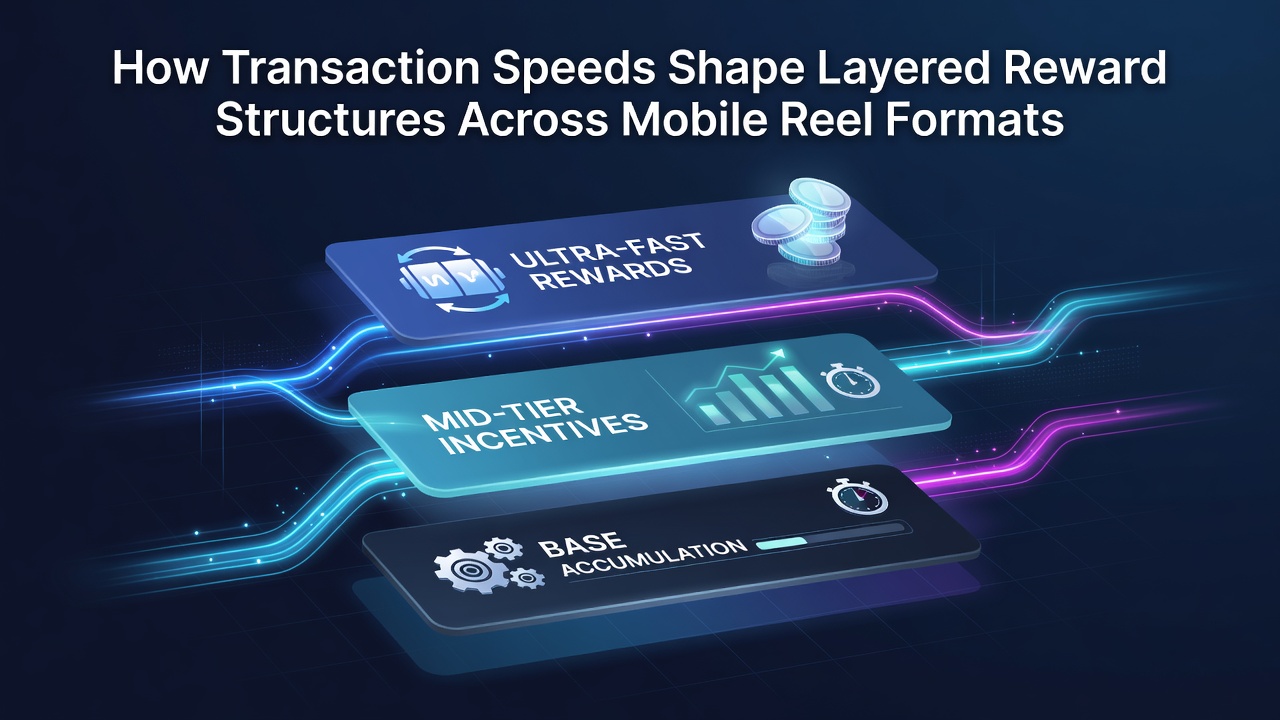
Data from multiple gaming jurisdictions shows that quicker fund movement directly alters how operators construct reward ladders across smartphone-based reel titles, and analysts note several measurable shifts in player progression paths. Faster deposits allow immediate entry into initial reward tiers while subsequent layers unlock only after additional transaction confirmations arrive within tight time windows, creating a chain where speed dictates eligibility for escalating multipliers and free spin allocations.
Core Mechanics Linking Payment Pace to Reward Depth
Operators build these structures so that each tier requires a verified transfer before the next bonus phase activates, and studies from the University of Nevada Reno indicate that delays beyond thirty seconds reduce progression rates by measurable percentages across video reel variants. Classic three-reel formats respond differently because their simpler bonus ladders rely on fewer transaction checkpoints, whereas five-reel and Megaways titles incorporate additional stages that activate only when deposits clear in under ten seconds. Those who've examined platform logs observe that instant processing correlates with higher completion of mid-level rewards, since players receive confirmation messages that trigger the next set of conditions without interruption.
Format-Specific Variations in Reward Layering
Portable versions of classic slots maintain shallower structures where a single fast deposit unlocks the entire sequence, yet modern video reels split rewards into four or five distinct phases that each demand separate payment verification. Research published by the Australian Gambling Research Centre reveals that mobile users on high-velocity networks complete these phases at rates nearly double those on standard connections, because the system registers each transfer before the reel session times out. Hold-and-win mechanics add further complexity by tying symbol collection bonuses to deposit timestamps, so a lag in processing can reset accumulated progress across the mobile interface.
Observers note that progressive jackpot reels integrate transaction speed even more tightly, with contribution thresholds resetting if the interval between deposits exceeds platform-defined limits. This design encourages repeated small transfers that clear quickly rather than larger single payments that might face verification holds, and data sets from the Nevada Gaming Control Board document corresponding increases in session frequency when networks support sub-five-second clearances.
Regional Patterns and Platform Adaptations Emerging by August 2026
By August 2026 several European operators had adjusted their mobile reel systems to align reward tiers with real-time banking rails, and reports from the European Gaming and Betting Association show that markets with widespread instant payment adoption saw average tier completion times drop by eighteen percent. Canadian provincial regulators tracked similar movements where provincial payment frameworks enabled faster clearances, resulting in layered bonuses that activate sequentially without manual player intervention. Platforms adapted by inserting visual cues that count down the remaining window for the next deposit, guiding users through the sequence while the reels continue spinning in the background.
Those monitoring cross-border data flows point out that regions without unified instant transfer standards experience fragmented reward delivery, with some tiers remaining locked until manual reconciliation occurs. This creates noticeable differences in engagement metrics between markets, and industry reports highlight that operators serving multiple jurisdictions now maintain separate reward trees calibrated to local transaction speeds.
Technical Infrastructure Supporting Layered Activation
Secure payment gateways transmit confirmation tokens directly to the game server, which then evaluates whether the incoming transfer meets the criteria for advancing the current reward stage. Developers embed these checks into the mobile application layer so that each successful clearance automatically populates the next set of reel modifiers without requiring the player to navigate menus. When networks experience congestion the tokens arrive out of sequence, and the system holds pending rewards until chronological order restores, preserving the intended progression order across all reel formats.
Additional modules monitor average clearance intervals per user account and adjust displayed tier thresholds accordingly, raising or lowering the deposit amount needed for the subsequent layer based on historical speed data. This adaptive approach keeps reward structures responsive to both network conditions and individual payment patterns while remaining fully automated.
Conclusion
Transaction velocity continues to serve as the primary variable shaping how many reward layers mobile reel formats can sustain and how quickly players traverse them. Evidence from regulatory datasets and academic analyses demonstrates consistent correlations between clearance times and tier completion rates across classic, video, and progressive reel categories. As payment rails evolve further, operators maintain flexibility by recalibrating these structures to match the speeds available in each market they serve.