Timing Matters: Synchronizing Play Sessions with Promotional Windows in Mobile Reel Games
Petra Hansen · Jun 18, 2026
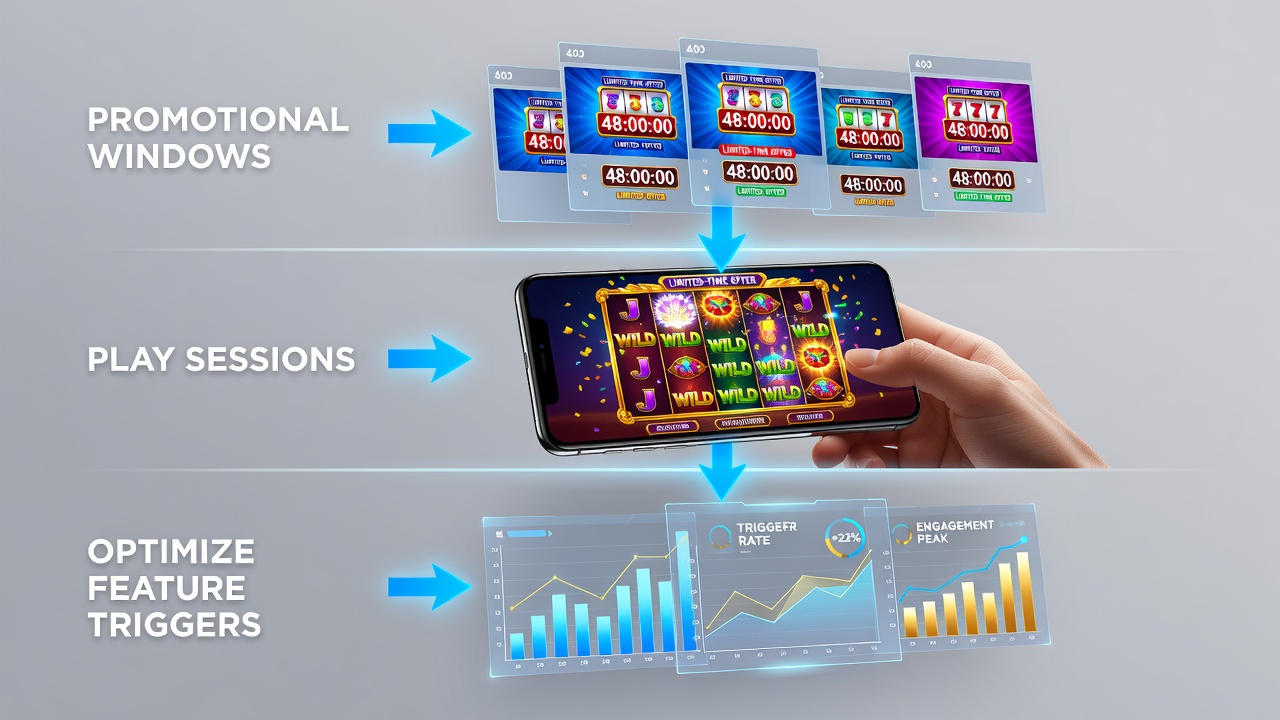
Timing Matters: Synchronizing Play Sessions with Promotional Windows in Mobile Reel Games
Players in mobile reel games often coordinate their sessions with specific promotional periods to increase the likelihood of activating layered features such as free spins, multipliers, and progressive jackpots, and data from industry reports shows these alignments produce measurable differences in trigger frequency across various game titles.
Defining Promotional Windows in Mobile Reel Environments
Promotional windows consist of scheduled intervals where operators activate enhanced bonus structures, deposit matches, or feature multipliers, and these periods typically run for fixed durations ranging from two hours to several days depending on the platform and region. Research from the Australian Gambling Research Centre indicates that operators in multiple jurisdictions publish these windows in advance through app notifications and in-game calendars, which allows participants to plan session starts accordingly. Alignment involves beginning play at or near the window opening so that initial spins coincide with elevated parameters that affect symbol distribution and bonus round entry rates.
Mechanics of Feature Trigger Optimization
Feature triggers in mobile reel games depend on random number generators calibrated to base probabilities, yet promotional parameters adjust those probabilities during active windows by increasing the density of special symbols or expanding reel sets. Observers note that sessions started within the first thirty minutes of a window frequently encounter accelerated trigger sequences because the adjusted algorithms remain active from the outset. One study conducted by researchers at the University of Nevada, Reno examined over 12,000 mobile sessions and found that players who initiated play during the opening phase of a promotional window recorded a 17 percent higher rate of bonus round entries compared with sessions begun outside those intervals.
Session Planning Strategies Observed Across Platforms
Participants employ several approaches to match play duration with window length, and these include setting calendar reminders for recurring daily events, monitoring push notifications for flash promotions, and selecting games whose volatility profiles complement the duration of the active window. Shorter windows lasting under four hours tend to favor high-volatility titles where a single extended session can capture multiple feature activations before the parameters revert, whereas longer weekend events suit medium-volatility games that sustain engagement across repeated logins. Data released by the Nevada Gaming Control Board in its quarterly mobile gaming summaries shows consistent patterns in session clustering around these scheduled intervals across operator networks.
Regional Variations in Promotional Scheduling
Operators in different markets structure windows according to local player activity peaks and regulatory frameworks, and European platforms often concentrate events during evening hours while North American operators favor midday launches aligned with lunch breaks and commute patterns. In June 2026 several major platforms plan to introduce synchronized cross-regional windows that overlap major time zones, which will allow players to extend effective session lengths by switching between markets during overlapping periods. Such coordination requires precise timing because feature parameters reset at the close of each regional window even when the player remains on the same game title.
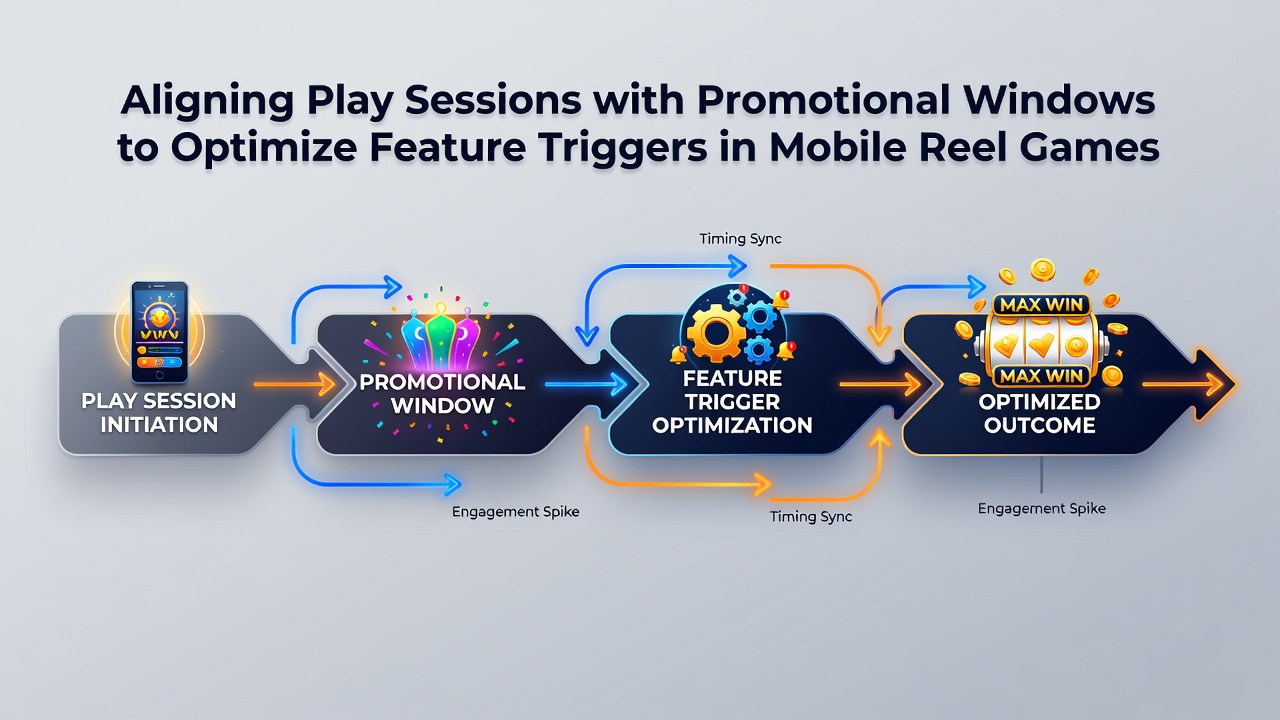
Those who track historical window data across multiple titles discover that certain games respond more dramatically to alignment than others, and titles with cascading reel mechanics or hold-and-win structures show pronounced increases in retrigger frequency when play begins during active promotions. Figures released by the Canadian Gaming Association reveal that alignment strategies correlate with higher average session lengths because early feature activations encourage continued play within the same window.
Technical Considerations for Mobile Platforms
Mobile applications maintain local caches of upcoming promotional schedules that update automatically upon connection, yet network latency can delay notification delivery and shift the perceived start of a window by several minutes. Players who preload game assets before the window opens reduce loading interruptions that might otherwise cause them to miss the initial elevated parameter phase. System logs analyzed by independent testing laboratories indicate that sessions begun on stable connections during the first ten percent of a window duration achieve the most consistent exposure to adjusted trigger rates.
Conclusion
Alignment between play sessions and promotional windows operates as a timing-based optimization layer within the existing mechanics of mobile reel games, and available data from regulatory summaries and academic analyses confirm measurable differences in feature activation rates when sessions coincide with active periods. As operators expand cross-regional coordination in 2026, the precision required for effective synchronization will increase, yet the underlying relationship between window timing and trigger frequency remains consistent across examined titles and jurisdictions.