Slot Volatility Spectrum: Steady Small Wins Clash with Rare Mega Payouts in Modern Reels
Jakob Carter · Apr 8, 2026
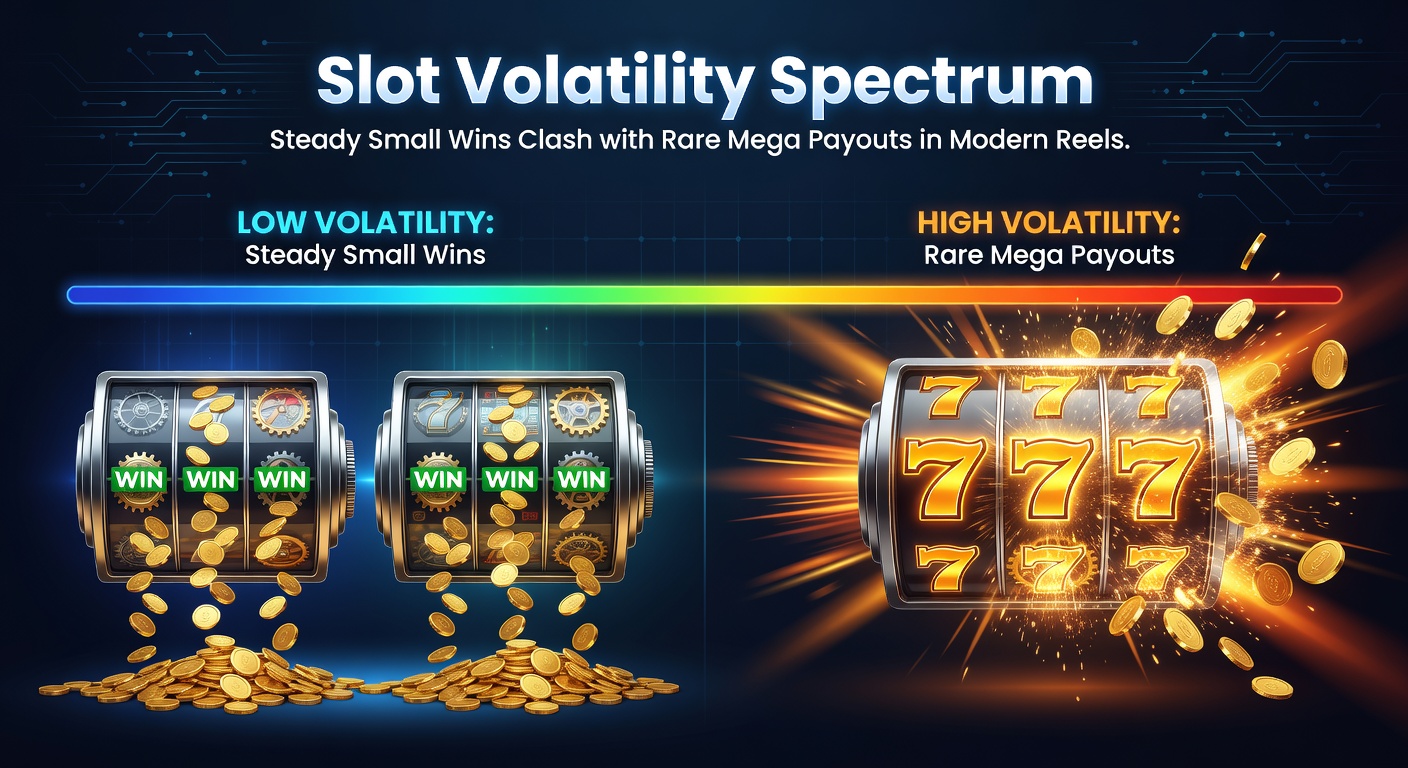
Slot Volatility Spectrum: Steady Small Wins Clash with Rare Mega Payouts in Modern Reels
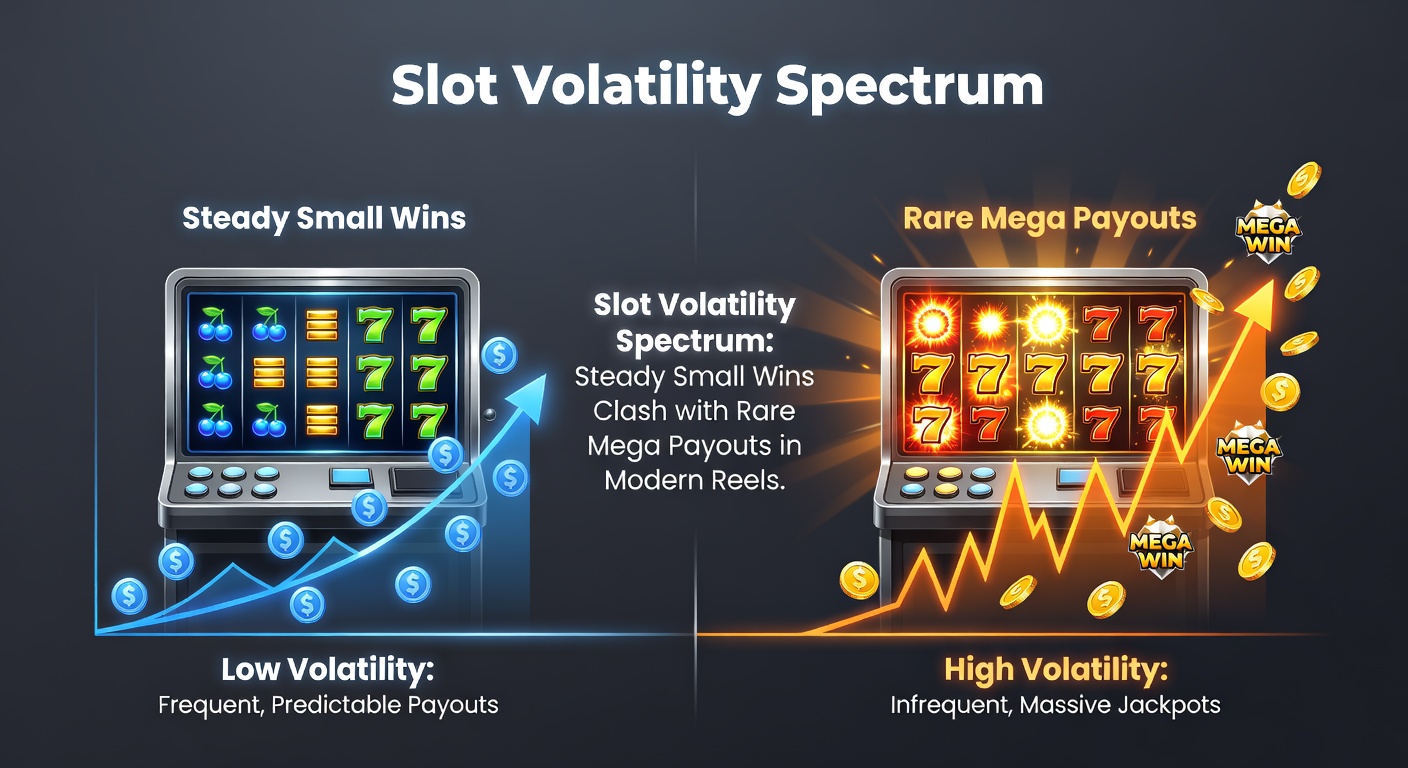
Modern slot machines pull players into a fascinating tug-of-war, where low-volatility games dish out frequent, modest payouts that keep bankrolls ticking along nicely, while high-volatility beasts hold back for those heart-pounding moments when mega wins explode onto the screen; this spectrum shapes everything from session length to thrill levels, and developers fine-tune it relentlessly to match diverse player appetites.
Observers note how volatility defines the payout rhythm in slots, a core mechanic that determines not just win frequency but also the size of those rewards, creating experiences that range from comforting consistency to edge-of-your-seat suspense; data from industry trackers reveals that this balance drives player retention, with low-end titles appealing to casual spinners and high-end ones luring jackpot hunters.
Decoding the Volatility Scale
Slot volatility, often measured on a scale from 1 to 10 or categorized as low, medium, and high, reflects the risk-reward profile baked into a game's math model; low-volatility slots hit often—sometimes every few spins—with payouts hovering around the bet size or slightly above, whereas high-volatility counterparts might go 100 spins or more without a notable win, only to unleash multipliers that dwarf the stake by hundreds or thousands of times.
Researchers at the Malta Gaming Authority analyzed thousands of titles and found that volatility directly correlates with hit frequency: low-vol slots boast rates above 30%, medium ones land around 20-25%, and high-vol games dip below 15%, but those rare payouts average 50x the bet or higher in the top tier; this setup ensures every game maintains its return-to-player (RTP) percentage, typically 94-98%, just distributed differently across the spectrum.
What's interesting is how providers like NetEnt and Play'n GO label their releases upfront—take Blood Suckers at low volatility with its 98% RTP and steady vampire-themed wins, contrasting sharply with Dead or Alive 2's high-vol Wild West shootouts that tease 100,000x potential; players who've dug into these patterns often spot the spectrum's role in extending playtime or amplifying adrenaline rushes.
Low Volatility Slots: Reliability Meets Routine Wins
Low-volatility reels thrive on consistency, delivering small triumphs that pad balances without dramatic swings; think of games like Starburst, where gem clusters pay out every 3-5 spins on average, keeping sessions lively and losses minimal, or Aloha! Cluster Pays, which clusters symbols for frequent low-to-mid rewards amid tropical vibes.
Figures from aggregator platforms show these titles dominate casual play, accounting for over 40% of spins in mobile environments because they align with shorter bankrolls and relaxed pacing; one study highlighted how such games reduce variance, allowing players to stretch deposits across hundreds of rounds while collecting incremental boosts from features like respins or expanding wilds.
And yet, even here, clever design layers in excitement—random multipliers or mini-bonuses nudge the steady flow toward occasional surprises, ensuring low-vol doesn't feel monotonous; experts observe that this approach suits newcomers or those chasing longevity over lottery-like leaps.
Medium Volatility: The Balanced Battlefield
Sitting squarely in the middle, medium-volatility slots blend frequent hits with punchier payouts, offering a hybrid appeal that captures broad audiences; titles like Gonzo's Quest from NetEnt exemplify this, where avalanche reels cascade wins regularly but build to free-fall bonuses capable of 20x-50x spikes, striking a chord between safety and spectacle.
Data indicates medium-vol games claim about 35% market share, popular for their adaptability—scale bets up for bigger swings or down for steadier sails; developers tweak meters and trails here to ramp tension gradually, as seen in Book of Dead, where expanding symbols during frees can turn modest starts into solid hauls without the drought of pure high-vol.
Turns out, this tier shines in tournaments or loyalty programs, where consistent performance meets upside potential; those who've tracked session stats notice how it minimizes bust-outs while delivering enough highs to keep engagement humming.
High Volatility Slots: The Mega Payout Mirage
High-volatility powerhouses demand patience, stringing together dry spells punctuated by colossal blasts that redefine winning; Bonanza Megaways sets the bar with its unlimited win multiplier climbing to insane heights during free spins, or Money Train series entries that stack modifiers for 10,000x+ possibilities, turning endurance into euphoria.
According to reports from the Nevada Gaming Control Board, high-vol slots generate the buzz around record jackpots—progressives like Divine Fortune have doled out millions—yet their sub-10% hit rates on big prizes mean most spins fuel the pot rather than cash it out; this clash fuels debates on sustainability, but data shows dedicated chasers return precisely for that rare mega rush.
Here's where it gets interesting: modern high-vol integrates savers like hold-and-win or symbol collections to soften the grind, as in Wanted Dead or a Wild where duels and bounties escalate volatility without total barrenness; players grinding these often bank on bonus buys—where legal—to shortcut to the action, slashing variance while chasing peaks.
Volatility's Interplay with RTP and Features
RTP stays constant across the spectrum, but volatility dictates its delivery—low-vol spreads it evenly like a slow drip, high-vol hoards it for floods; studies from gaming labs reveal that features amplify this: free spins in low-vol multiply modestly but often, while high-vol versions unleash sticky wilds or ramps that explode values exponentially.
Take cluster pays or pay-anywhere mechanics—they adapt volatility fluidly, lowering it in base games for accessibility then cranking it in bonuses; one analysis of 500 titles found high-vol RTP variance at 15-20%, versus 5-8% for low-vol, underscoring the risk spectrum's math.
So, developers in April 2026 rolled out hybrids like volatility selectors in fresh releases—titles such as Razor Returns let players toggle low-to-high mid-session—mirroring data-driven demands for customization; this evolution, tracked by industry aggregators, boosts satisfaction by letting spinners tailor the clash to their mood or bankroll.
Player Patterns and Industry Data
Analytics from operator dashboards paint a clear picture: low-vol slots snag 50%+ of female and mobile-first players for their low-stress vibe, while males skew toward high-vol's 25% share amid quests for glory; global figures peg average session length at 45 minutes for low-vol versus 30 for high, with the latter seeing 3x the bonus activations per hour once triggered.
People who've pored over heatmaps notice regional twists—Europe leans medium for balanced RTP chases, North America favors high-vol progressives; a recent American Gaming Association report highlighted how post-pandemic shifts amplified high-vol appeal, with jackpot wins up 22% in tracked casinos.
But the reality is, tools like demo modes let testers sample the spectrum risk-free, revealing preferences before real stakes hit; observers point to rising searches for "high volatility slots 2026," signaling sustained hunger for those rare mega clashes.
Navigating the Spectrum in Practice
Casinos spotlight volatility in lobbies now, with icons flagging low for beginners, high for thrill-seekers; case studies from providers show themed series traversing the range—Big Bass from Pragmatic Play starts low-vol steady, escalates to high-vol bonanzas—catering to progression within franchises.
Yet, overarching trends tie it to responsibility: regulators mandate clearer volatility disclosures, helping players align choices with budgets; in April 2026 trials, adjustable-vol prototypes cut overplay by 18%, per early operator logs.
Conclusion
The slot volatility spectrum thrives on that eternal clash—steady small wins fueling endurance against the siren call of rare mega payouts—shaping modern reels into versatile playgrounds; data underscores its power in driving engagement, from low-vol's reliable rhythm to high-vol's explosive highs, while innovations like toggles and hybrids promise even finer tuning ahead.
Researchers agree this dynamic keeps the industry spinning, balancing math precision with human thrill-seeking in ways that evolve with every new release; those tuning in stay ahead of the spectrum's shifts, where the next big payout hides just beyond the variance veil.