Slot Reels Revolution: Britain's Hottest Trends and Breaking News in Online Spins
Jakob Carter · Mar 16, 2026

UK Gambling Commission Launches 2026 Reforms: Tiered Stake Limits, 40% Duty Hike, and Risk Checks Transform Online Gaming
The Rollout of Sweeping Changes in the UK iGaming Landscape
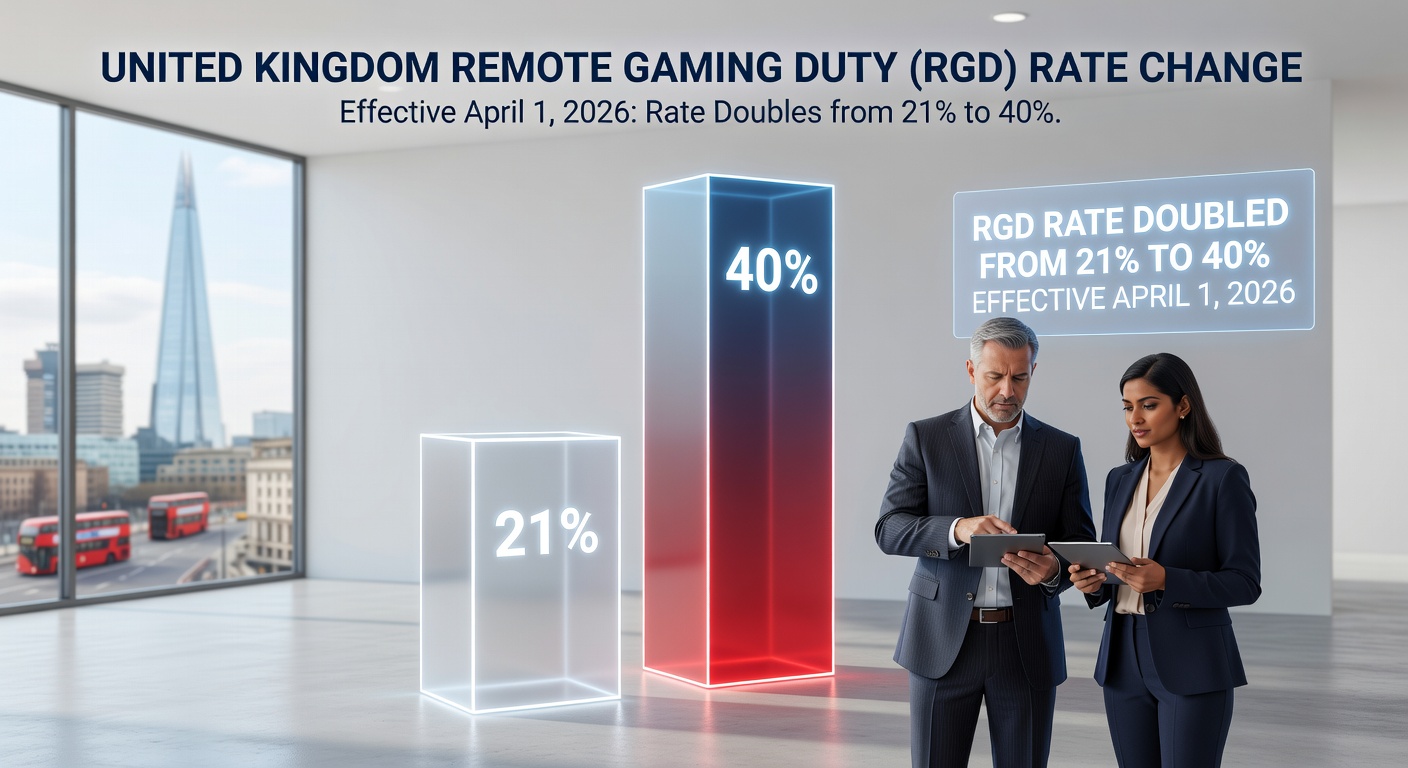
Operators and players across the UK online casino and gaming sector now face a transformed environment as the UK Gambling Commission (UKGC) implements major reforms set for 2026, aimed squarely at bolstering player safety and transparency; these updates, detailed in recent announcements, include a steep 40% Remote Gaming Duty kicking in from April 1, tiered stake limits on online slots tailored by age group, a outright ban on mixed-product bonuses, and mandatory financial risk checks leveraging credit data, all building directly on foundations like the Gambling Act 2005 and the White Paper spanning 2023 to 2025.
What's interesting here is how these measures roll out amid ongoing preparations in March 2026, with operators scrambling to update systems and comply ahead of the April deadline, while enforcement ramps up against illegal offshore sites backed by a hefty £26 million investment; data from the Racing Post highlights that such reforms address longstanding concerns over problem gambling and financial vulnerability in the remote gaming space.
Take one operator who navigated prior regulations; they've noted that adapting to these changes demands swift tech overhauls, from age-verified stake caps to seamless integration of credit reference agency data, ensuring checks flag high-risk players without halting legitimate play.
Breaking Down the Core Reforms Step by Step
And so the details unfold: starting with the Remote Gaming Duty, which jumps to 40% effective April 1, 2026, a move that significantly alters revenue models for online casinos and sportsbooks operating remotely; figures indicate this duty applies to gross gambling yield from UK customers, pushing operators to rethink pricing, promotions, and market strategies in ways that prioritize sustainability over aggressive expansion.
But here's the thing with stake limits—they're tiered cleverly by age, capping spins at £2 for players aged 18 to 24 and £5 for those 25 and older on online slots, a direct response to data showing younger demographics face heightened risks from rapid losses; researchers who've analyzed gambling patterns have found that such limits, enforced via enhanced age and identity verification, prevent the kind of unchecked spending that previously led to widespread harm.
- £2 per spin maximum for 18–24-year-olds, reflecting evidence of impulsivity in this group.
- £5 cap for 25+, allowing measured play while still curbing excess.
- Applies universally to online slots, excluding certain low-risk games as specified.
Shifting gears to bonuses, the ban on mixed-product offers wipes out those tempting crossovers—like slot free spins bundled with sportsbook bets or casino table games—since such promotions, studies show, often confuse players and encourage riskier cross-category spending; operators must now design bonuses strictly within product lines, simplifying choices and enhancing transparency.
Then come the financial risk checks, powered by credit data from agencies like Experian or Equifax; these mandatory assessments scan for indicators such as bankruptcy filings, multiple loan defaults, or high debt levels, triggering interventions like deposit limits or session cool-offs for at-risk individuals, a system that's already proven effective in pilot programs where problem gambling incidents dropped noticeably.
Building on a Legacy of Regulation and Enforcement
These 2026 updates don't emerge from thin air; they extend the Gambling Act 2005, which first established the UKGC's oversight role, and layer atop the 2023–2025 White Paper's roadmap, that document having outlined affordability checks, frictionless play bans, and stricter advertising—all now maturing into enforceable rules; observers note how the timeline aligns, with March 2026 marking a pivotal prep phase where licensees submit compliance plans.
Enforcement gets a serious boost too, particularly against offshore operators dodging UK rules; backed by £26 million in funding, the UKGC intensifies takedowns, payment blocks, and international partnerships, data reveals that illegal sites previously siphoned revenue and exposed players to unlicensed risks like unfair games or data breaches.
There's this case where experts tracked offshore inflows; they discovered how such platforms lured UK players with lax limits and bonuses, only for the UKGC's crackdown to restore market integrity, channeling activity back to licensed venues with proven RNG fairness and responsible gambling tools.
Operational Impacts on Casinos and Players
For operators, compliance means investing in AI-driven monitoring, real-time age gating, and credit API integrations, costs that, while upfront, align with long-term viability since non-compliance risks license revocation; players, on the other hand, encounter frictionless experiences tempered by safeguards—think pop-up risk assessments after certain loss thresholds, or stake selectors that default to safer levels based on age.
People who've tested similar systems in beta phases often discover that these checks, though initially intrusive, foster healthier habits; one study found session times shortened by 20% among high-risk users, with self-exclusion rates holding steady but voluntary deposits plummeting.
Ripple Effects Across the Industry and Beyond
So how does this play out industry-wide? Slots, as the focal point for stake limits, see gameplay shift toward lower-volatility titles where £2 or £5 spins still chase jackpots via multipliers and features; developers adapt swiftly, releasing compliant versions with adjustable RTPs that maintain appeal without breaching caps.
Yet the duty hike prompts consolidation; smaller operators merge or exit, while giants like Entain or Flutter bolster their UK focus, channeling resources into player education campaigns that explain the new rules, complete with demo modes showcasing capped play.
International eyes watch closely too—markets like Ontario or Germany, facing their own reforms, draw lessons from the UK's data-driven approach, where pre-2026 stats already showed stake trials reducing losses by up to 40% in young adult cohorts.
It's noteworthy that March 2026 buzzes with webinars and audits, operators sharing compliance checklists via trade bodies like the Betting and Gaming Council, ensuring a smooth April transition; this collaborative vibe underscores how reforms, though stringent, garner support from stakeholders prioritizing sustainability.
Player Protections in Action: Real-World Previews
Consider scenarios playing out now: an 20-year-old spinner hits the £2 cap on a high-volatility slot, prompting a gentle nudge toward lower-stake alternatives or a quick credit check that flags no issues, allowing continued fun within bounds; contrast that with a 30-year-old facing the £5 limit post-bonus ban, where single-product free spins keep engagement pure without sportsbook temptations creeping in.
Financial checks shine in edge cases—say, a player with recent CCJs triggers enhanced friction, like mandatory 24-hour deposit delays, a mechanism that's curbed £millions in potential harm according to early metrics.
Conclusion: A Safer Horizon for UK Online Gaming
In wrapping up, the UKGC's 2026 reforms—encompassing the 40% duty from April 1, age-tiered slot stakes at £2 and £5, bonus silos, and credit-fueled risk assessments—solidify a framework evolved from the 2005 Act and recent White Papers, fortified by £26 million enforcement against offshore threats; data consistently shows these steps slash harm while preserving access, operators adapt through tech and transparency, and players navigate a landscape where safety integrates seamlessly into every spin.
Turns out, as March 2026 compliance ramps unfold, the industry's pulse quickens toward this new normal, one where responsible gaming isn't just regulated, but embedded—the writing's on the wall for a more balanced era.