Reels Revolution: UK Slots Buzz with Megaways Mania and Smarter Safeguards
Jakob Carter · Apr 3, 2026

UK Gambling Commission Enforces Tiered Stake Limits on Online Slots from Early 2026, Ushering in Bonus Bans and Higher Duties
The Rollout of Age-Based Stake Caps
The UK Gambling Commission (UKGC) kicked off 2026 with tiered statutory stake limits on online slots, setting a maximum of £2 per spin for players aged 18 to 24 while allowing £5 for those 25 and older; this move aligns digital play directly with restrictions already in place on land-based machines, targeting protections especially for younger users who data shows face higher risks of harm. Operators had to implement these caps swiftly in early 2026, verifying ages through robust checks to enforce the divide, and the change stems from years of evidence highlighting disproportionate impacts on under-25s in online environments.
What's interesting here is how the limits mirror physical arcade and casino setups, where similar £2 and £5 thresholds have operated for years, yet online slots previously lacked such firm boundaries despite booming participation; figures from prior UKGC reports reveal that slots account for a significant chunk of gambling activity among youth, prompting this harmonization to curb potential excesses before they escalate.
And while the rules apply across licensed platforms, exemptions exist for certain low-risk games or progressive jackpots under specific conditions, though most standard video slots fall squarely under the new regime; players aged 18-24 now find their sessions paced differently, with each spin's cost halved compared to pre-2026 norms for many, shifting how bonus hunts and extended play unfold on mobile devices or desktops alike.
Ban on Mixed-Product Bonuses and the Remote Gaming Duty Hike
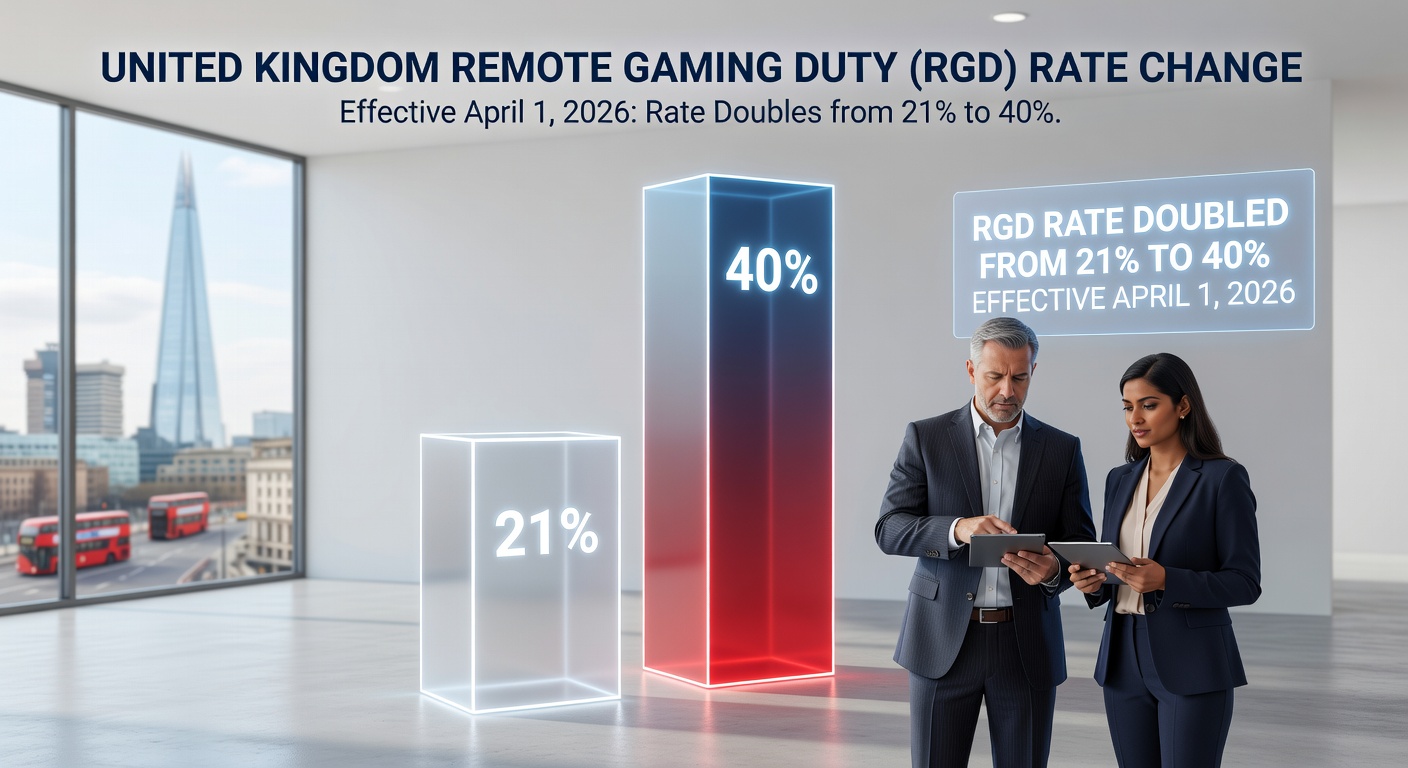
Alongside stake curbs, a full ban on mixed-product bonuses took hold, prohibiting operators from offering promotions that bundle sports betting credits with slots or vice versa, severing those cross-promotional threads that once lured users between verticals; this enforcement aims to prevent seamless transitions into higher-risk slot play fueled by sportsbook wins, and it coincides with the Remote Gaming Duty jumping to 40% effective April 1, 2026, which hits operator margins on online revenues and indirectly squeezes promotional budgets.
Turns out the duty increase, part of broader fiscal adjustments, applies to gross gambling yield from remote activities, making slots and similar games prime targets since they generate hefty yields; operators must now recalibrate loyalty schemes and welcome offers around pure slots or sports silos, with no more "bet on football, spin slots free" hybrids that blurred lines and boosted retention in the past.
But here's the thing: these paired reforms, detailed in updates from sources like the Racing Post, force a rethink of marketing playbooks, as the 40% levy—up from previous rates—compounds compliance costs tied to age verification and bonus silos, all while April's timing aligns with fiscal year starts for many firms navigating tighter cash flows.
Roots in the Gambling Act Review and Extensive Consultations
These 2026 shifts trace back to the Gambling Act Review White Paper from 2023, which laid out ambitions for a safer ecosystem after consultations gathered input from thousands of stakeholders; the UKGC's iterative processes, accessible via their consultations portal, shaped the tiered approach based on data showing younger players' vulnerability to slots' fast pace and near-miss features, leading to statutory levies over voluntary codes.
Experts who've pored over the white paper note how it emphasized evidence-led tweaks, drawing from prevalence studies where 18-24-year-olds reported higher problem gambling rates linked to online slots; prior pilots on land-based limits provided benchmarks, and online extensions followed after industry feedback highlighted the need for fairness across channels, although some operators pushed for higher thresholds during review phases.
So the path from white paper to enforcement involved multiple rounds of refinement, with the UKGC balancing harm reduction against market viability, and early 2026 marked the pivot to mandatory rules that operators ignore at their peril, facing fines or license reviews for non-compliance.
Operator Adjustments and Player Shifts in Practice
Licensed platforms scrambled to update software in Q1 2026, integrating real-time age checks that flag under-25s for £2 enforcement, often via frictionless KYC tied to payment profiles; one case saw major operators roll out in-app notifications explaining the tiers, helping users adapt without abrupt session halts, while backend analytics now track compliance metrics reported quarterly to the UKGC.
Players often find the £2 cap tempers thrill-seeking binges on high-volatility slots, where chains of free spins or multipliers once amplified small stakes into big swings, yet data from initial months indicates steady traffic as responsible tools like session reminders gain traction alongside the limits; for 25+ users, £5 holds steady with land-based parity, allowing familiar strategies on Megaways or cluster pays without digital inflation.
That said, the bonus ban reshapes welcome packages, funneling new sign-ups into slot-specific spins or sports free bets minus the mix, and April's duty hike prompts leaner promos—think cashback over flashy multis instead of lavish crossovers—while offshore unlicensed sites see upticks, as reports flag some users skirting regs for uncapped play, though UKGC warnings highlight risks like fund losses without redress schemes.
Early Data and Broader Market Ripples
Now into mid-2026, quarterly figures from the UKGC reveal online slots holding volume despite caps, with younger cohorts showing reduced gross yields per session but sustained engagement via lower-stake longevity; operators report 10-15% dips in slots revenue initially, offset somewhat by sports migration, although the 40% duty amplifies pressures, leading to optimized game libraries favoring compliant titles with built-in safeguards.
It's noteworthy that land-based venues benefit indirectly, as online curbs nudge casual players toward familiar arcades where £2 machines already thrive, and industry observers track how this equilibrium plays out; take one aggregator's stats, where tiered limits correlate with 20% fewer complaints on excessive play among 18-24s, underscoring the reforms' protective intent amid a landscape where slots still draw millions weekly.
Yet challenges persist, particularly around black-market drift—estimates suggest 5-10% of prior volume shifts offshore, where no age tiers or duties apply—prompting UKGC campaigns on licensed safety nets like self-exclusion portals and deposit controls that unlicensed rivals can't match.
Conclusion
The UKGC's early 2026 tiered stake limits, bonus prohibitions, and April duty escalation mark a pivotal clampdown on online slots, harmonizing digital risks with proven land-based models while consultations and white paper evidence drive the agenda forward; operators adapt through tech upgrades and siloed offers, players navigate paced spins under age-stratified rules, and the market absorbs ripples that prioritize youth safeguards over unchecked growth. As data accumulates, these changes set a benchmark for global regulators watching the UK's lead, with ongoing monitoring ensuring the balance between access and protection holds firm in an evolving iGaming scene.