Loyalty Programs Shape Slot Choices Through Tiered Rewards in Online Casinos
Dana Frank · Jun 13, 2026
Loyalty Programs Shape Slot Choices Through Tiered Rewards in Online Casinos
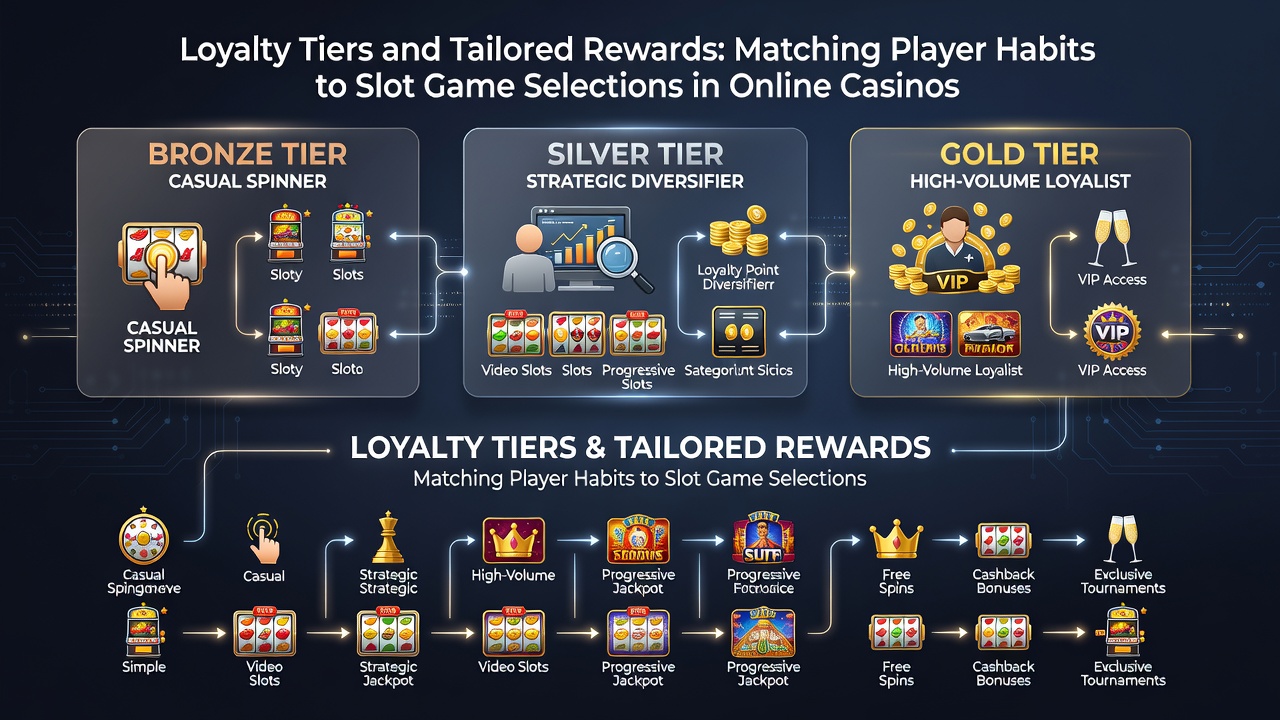
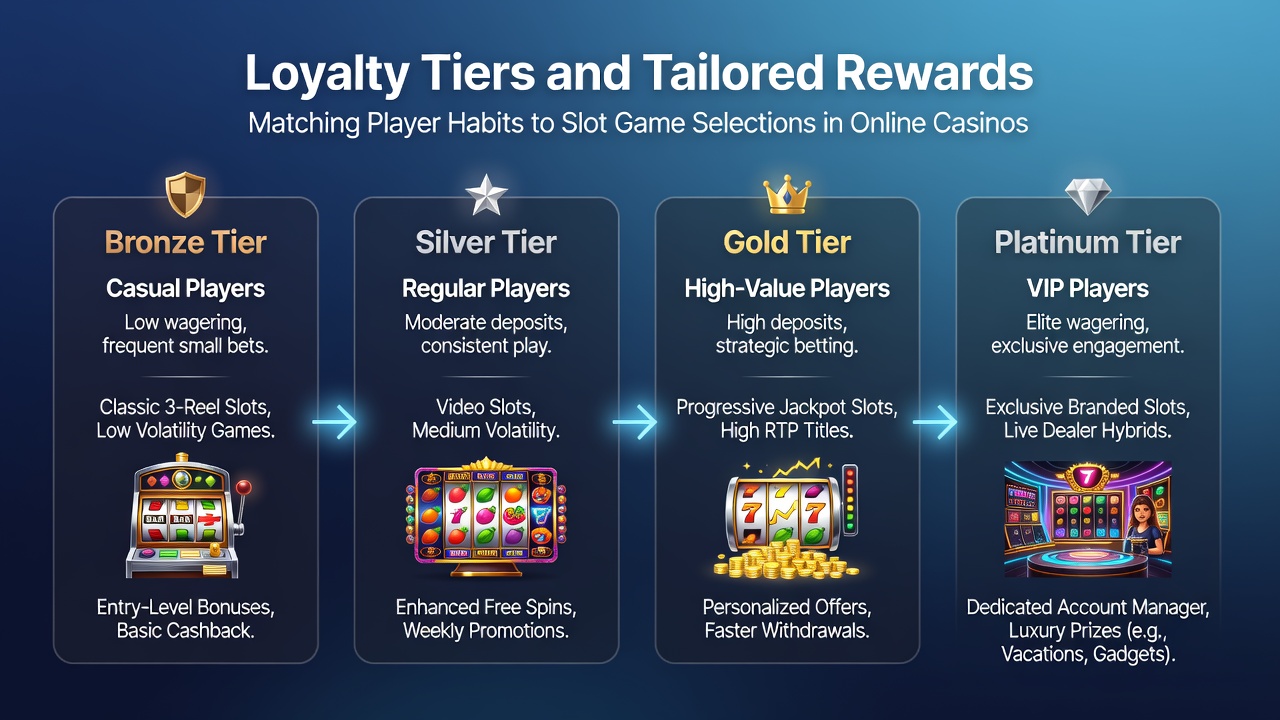
Online casinos structure loyalty programs around tiered systems that track player activity and assign rewards based on consistent play patterns, and these frameworks directly influence which slot games participants select over time. Points accumulate from wagers placed across titles, moving users from entry-level status into higher categories that unlock enhanced benefits such as increased cashback percentages, exclusive free spin allocations, and personalized deposit matches. Research from the University of Nevada's gaming studies indicates that players in mid-to-upper tiers often shift their slot selections toward games with specific volatility levels or bonus mechanics that align with the rewards offered at their current level.
How Tier Structures Operate Across Platforms
Casino operators calculate tier advancement through cumulative points earned during defined periods, typically monthly or quarterly cycles, where each wager contributes a fixed ratio toward the total. Entry tiers grant basic perks like standard free spins on popular video slots, whereas advanced levels provide multipliers on loyalty points, priority access to new releases, and tailored promotions that match documented preferences such as high-frequency play on classic three-reel machines or progressive jackpot titles. Data compiled by the American Gaming Association reveals that operators adjust these structures annually to reflect changes in player demographics and regional regulatory requirements.
Matching Rewards to Established Habits
Systems analyze historical data on spin frequency, bet sizing, and session duration to generate slot recommendations that complement existing patterns, for instance directing frequent low-stake players toward medium-volatility options with frequent small wins while routing higher-volume participants to titles featuring larger jackpot triggers. This alignment occurs through automated notifications and in-game prompts that highlight eligible games carrying extra loyalty multipliers, and operators integrate payment method data to time these offers immediately after successful deposits. One study conducted by researchers at Simon Fraser University in Canada tracked over 12,000 accounts and found measurable increases in engagement when rewards corresponded directly to previously played categories.
Platforms further refine selections by incorporating session timing and device usage, so mobile-heavy users receive promotions for slots optimized for touch interfaces while desktop players see offers tied to more complex Megaways formats. These mechanisms rely on backend algorithms that update in real time, ensuring that as habits evolve the reward structure adapts without manual intervention from the player.
Regional Variations in Program Design
European operators often emphasize free spin bundles within loyalty tiers, drawing from data that shows strong preference for bonus round mechanics, whereas North American platforms incorporate more cashback elements linked to specific slot providers. Australian regulatory frameworks require transparent disclosure of how points convert to rewards, prompting casinos to publish clear tables that list slot categories eligible for accelerated earning rates. The Netherlands Gambling Authority has documented similar transparency rules that affect how operators present tailored offers to maintain compliance across borders.
Integration with instant deposit systems allows rewards to activate within seconds of funding, creating seamless transitions from deposit to gameplay on promoted titles. This timing proves particularly effective for players whose habits include short, frequent sessions, as the immediate availability of tailored bonuses encourages continued selection of the highlighted games rather than random browsing.
Data Patterns and Player Response
Industry reports indicate that participants who receive habit-matched offers demonstrate longer average session lengths compared with those receiving generic promotions, and this holds across both video slot and classic reel formats. Observers note that the effect strengthens once players reach silver or gold tiers, where the value of rewards becomes substantial enough to influence choice. Figures from the Canadian Gaming Association show that loyalty-driven slot selections account for a growing share of total handle in regulated markets, with operators refining algorithms to predict which titles will sustain engagement at each tier.
Case examples include programs that award extra points for spins on newly released slots, prompting tiered players to sample fresh content that matches their established volatility preferences. Such initiatives run alongside standard point collection, and the combination creates multiple pathways for advancement while steering selections toward specific game libraries.
Conclusion
Loyalty tier systems in online casinos function as structured mechanisms that convert raw play data into targeted slot recommendations, and the resulting personalization shapes user behavior across different regions and regulatory environments. Continued refinement of these programs depends on accurate tracking of habits alongside evolving compliance standards, ensuring rewards remain aligned with documented activity while supporting platform objectives.