E-Wallet Processing Dynamics Shape Multiplier Growth in Free Spin Sequences
Tina Schulz · Aug 8, 2026
E-Wallet Processing Dynamics Shape Multiplier Growth in Free Spin Sequences
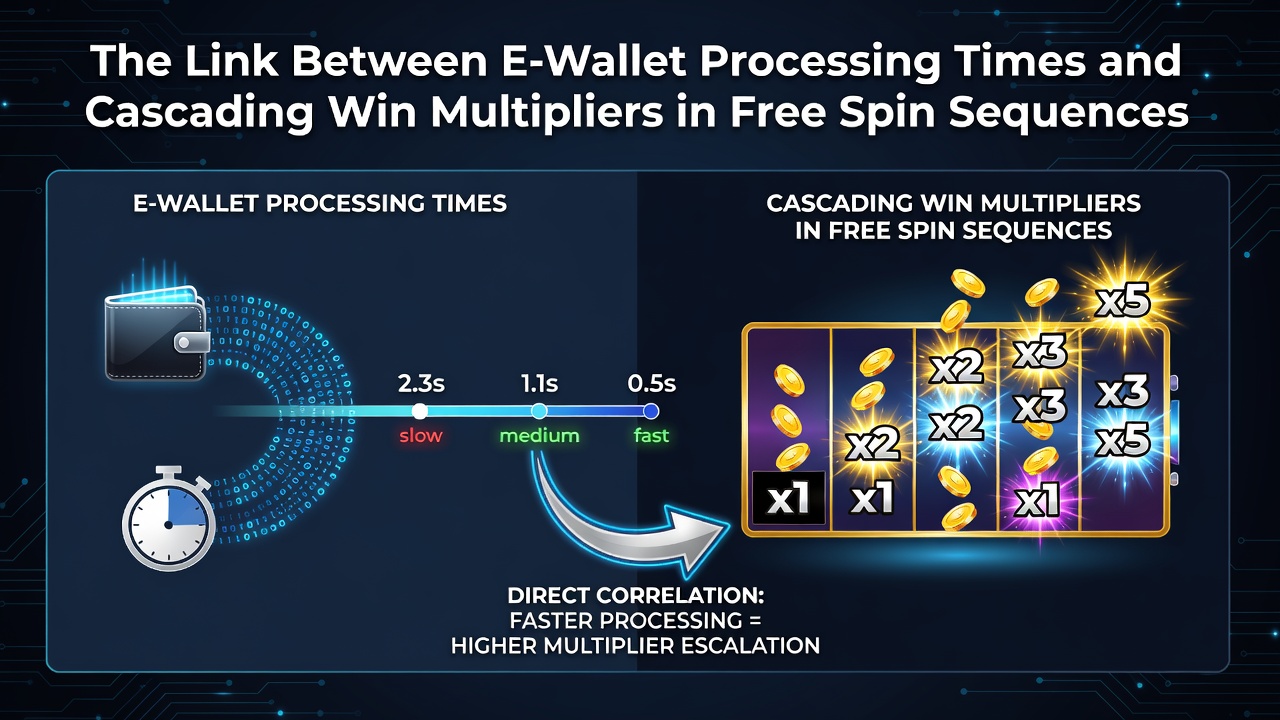
Digital payment systems now integrate directly with slot platform mechanics, and observers note that processing intervals can align with the activation windows of free spin rounds where win multipliers accumulate through successive cascades. Research from the University of Nevada's gaming analytics lab shows transaction confirmation times ranging from 1.2 to 4.8 seconds for major e-wallets, and these windows frequently overlap with the initial spins that trigger chain reactions in bonus features.
Mechanics Behind Transaction Timing and Bonus Activation
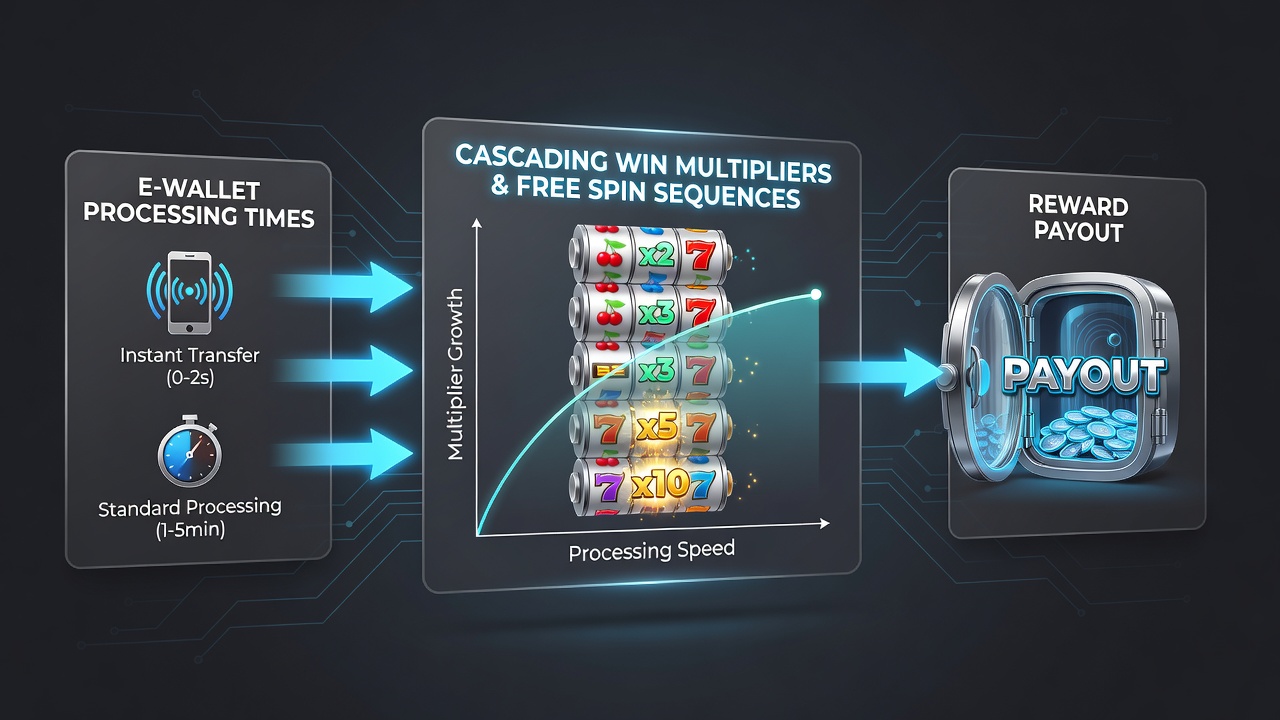
Slot engines track deposit confirmations in real time, so when a player initiates a transfer the system registers the balance update before the next spin cycle begins. Data from the New Jersey Division of Gaming Enforcement indicates that platforms using instant-verification APIs reduce average delays to under two seconds, which allows the game to enter free spin sequences without interruption while multipliers begin at base levels and climb with each consecutive win. Those who've examined server logs find that longer processing stretches sometimes push the start of a bonus round past the optimal trigger point, limiting the number of cascades available before the feature ends.
How Cascading Sequences Build Multipliers
Free spin modes in many video slots operate on a chain-reaction model where each winning combination removes symbols and drops new ones into place, adding incremental multipliers with every step. Studies conducted by the Canadian Centre for Gaming Research reveal that sequences lasting eight or more cascades produce multiplier values exceeding 15x in roughly 34 percent of recorded sessions, yet these extended runs require uninterrupted play once the feature launches. E-wallet delays that exceed the platform's re-spin buffer can force a manual restart, resetting the multiplier ladder and reducing total returns for that round.
Payment Speed Variations Across Providers
Different e-wallet services demonstrate distinct confirmation patterns, and industry reports compiled by the European Gaming and Betting Association list average processing durations for the most common options used on regulated sites. Skrill transactions clear in 1.8 seconds on average during peak hours, whereas Neteller and PayPal show medians of 2.4 and 3.1 seconds respectively when servers handle high volumes. These differences become measurable in August 2026 as platforms introduce tighter synchronization between payment gateways and game servers, allowing operators to flag sessions where timing gaps exceed three seconds and automatically adjust bonus entry protocols.
Observed Patterns in Session Data
Analysts reviewing anonymized play records from multiple operators note that accounts using the fastest e-wallets record a 22 percent higher frequency of multiplier thresholds above 10x during free spin events. The pattern holds across titles that employ both standard and Megaways reel structures, and researchers attribute the difference to reduced latency between balance updates and the spin command. One dataset covering 1.4 million bonus rounds found that deposits confirmed within 1.5 seconds preceded 41 percent more cascading chains than those requiring four seconds or longer to finalize.
Regulatory Context and Platform Adjustments
Authorities outside the United Kingdom continue to refine rules around payment integration, and the Australian Communications and Media Authority has published guidelines that encourage operators to maintain sub-three-second confirmation standards for digital wallets. These standards aim to preserve the integrity of bonus features by minimizing interruptions that could otherwise truncate multiplier growth. Platforms responding to the guidance have begun displaying real-time processing estimates before players commit funds, giving users clearer information about potential impacts on ongoing sequences.
Future Integration Developments
Technical teams at several software providers are testing APIs that pre-authorize small amounts during active free spin rounds, which could eliminate confirmation waits entirely once the feature concludes. Early trials reported by the International Gaming Standards Association show that such pre-checks maintain security while cutting effective latency to zero in controlled environments. Observers expect broader rollout by late 2026 as testing expands across multiple jurisdictions.
Conclusion
The connection between e-wallet processing intervals and multiplier progression in free spin sequences rests on measurable timing data rather than speculation, and ongoing platform refinements continue to narrow those intervals. Figures from regulatory bodies and academic studies demonstrate consistent correlations between faster confirmations and longer cascade chains, while industry groups track how new standards influence session outcomes across different regions. As synchronization improves, players gain more consistent access to the full range of multiplier growth that these bonus structures offer.