Decoding Reel Stop Sequences: Connections to Layered Reward Systems in Modern Gaming Applications
Dana Frank · May 28, 2026

Decoding Reel Stop Sequences: Connections to Layered Reward Systems in Modern Gaming Applications
Reel stop sequences form the mechanical backbone of slot outcomes in modern gaming applications, where each halt position on the reels emerges from algorithmic processes that intersect with reward structures built in successive layers, and developers design these elements to create predictable yet variable result patterns across base play, feature triggers, and progressive elements.
Core Mechanics of Reel Stop Sequences
Reel stop sequences operate through random number generators that select symbols at precise intervals during each spin cycle, and gaming platforms map these selections onto virtual or physical reels to produce the final display while ensuring compliance with jurisdictional testing standards set by bodies such as the Nevada Gaming Control Board. Observers note that the sequence begins with an RNG call that determines the stopping index for every reel, after which the software renders the corresponding symbols and evaluates them against paytables, yet the underlying math remains consistent regardless of visual presentation. Data from industry reports indicates that stop positions occur at millisecond intervals calibrated to match hardware capabilities, and this timing allows for seamless integration with animation layers that enhance player engagement without altering the predetermined outcome.
Architecture of Layered Reward Systems
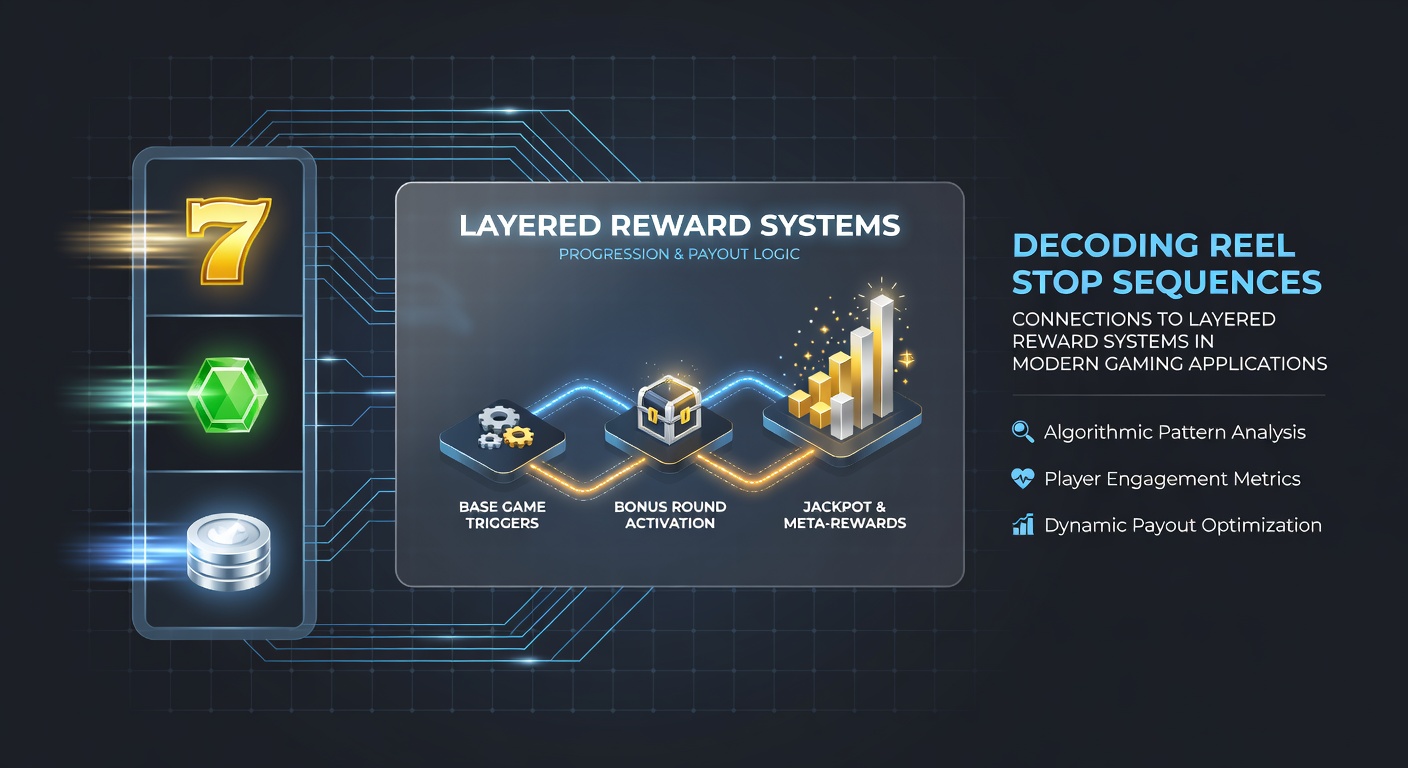
Layered reward systems stack multiple payout tiers within a single game session, beginning with standard line or ways wins and extending through free spin rounds, multiplier applications, and jackpot qualifiers, while each layer activates according to specific symbol combinations delivered by the reel stops. Researchers have documented how base rewards sit at the foundation, followed by secondary features that scale value upward when certain stop patterns align with bonus symbols, and tertiary layers often incorporate hold-and-respin mechanics or progressive contributions that draw from pooled funds. Studies from the University of Nevada, Las Vegas gaming research programs reveal that these layers function independently yet share dependency on the same reel stop data, creating a unified evaluation pipeline that processes results sequentially from lowest to highest tier.
Interconnections Between Stops and Rewards
Reel stop sequences feed directly into reward layer activation because the positions selected by the RNG determine which symbols land in view, and those symbols serve as the triggers that unlock successive reward tiers without requiring additional random draws beyond the initial spin. For instance, a sequence that places three scatter symbols on designated reels activates a free spin layer, after which subsequent stop sequences within the bonus round apply multipliers or accumulate values toward higher jackpot levels, and this chained dependency means that reward depth expands proportionally to how closely the stops match programmed threshold patterns. Gaming operators report that system logs track these connections in real time, allowing platforms to adjust volatility settings by modifying the probability weightings assigned to specific stop indices while preserving the layered structure across all game modes.
Technical Implementation Across Platforms
Modern applications implement reel stop sequences through server-side RNG modules that transmit results to client devices, and this architecture supports consistent reward layering whether players access games via desktop, mobile, or integrated casino networks, whereas client-side rendering handles only the visual mapping of stops to symbols. Engineers integrate checksum verification at each layer transition to confirm that reward calculations align with the original stop sequence, and regulatory audits conducted by organizations such as the International Association of Gaming Regulators examine these verification steps to maintain integrity across jurisdictions. Figures from technical white papers show that processing latency between stop determination and reward evaluation averages under 200 milliseconds in optimized systems, enabling fluid transitions between base game and bonus layers without interrupting session flow.
Analytical Approaches to Sequence Mapping
Analysts map reel stop sequences against reward outcomes by logging thousands of spins and correlating stop indices with activated layers, and this method reveals statistical distributions that govern how frequently players encounter single-layer versus multi-layer rewards in any given title. Software tools developed for this purpose parse game logs to isolate patterns, such as clusters of stops that reliably precede high-tier bonus entries, while accounting for the weighting tables that govern symbol frequency on each reel. Data released through collaborative industry research indicates that mapping exercises conducted in controlled environments help studios refine the spacing between reward layers, ensuring that progression through the system feels measured rather than abrupt.
Regulatory and Compliance Considerations
Jurisdictional requirements mandate that reel stop sequences remain fair and verifiable, with independent laboratories testing RNG outputs against reward layer specifications to confirm that no unintended biases exist between stop selection and payout distribution, and these tests extend to networked environments where multiple players interact with shared progressive layers. Compliance documentation must demonstrate that every possible stop combination maps correctly to its corresponding reward tier, and updates to these mappings undergo re-certification before deployment. As of May 2026, several North American and European regulators have synchronized their testing protocols for cross-border game releases, streamlining the validation of stop-to-reward connections across different licensing regions.
Conclusion
Reel stop sequences and layered reward systems remain tightly coupled components in modern gaming applications, with each stop position serving as the entry point that determines which reward tiers become available during play, and continued refinement of these connections supports both regulatory compliance and consistent game performance across diverse platforms.