Color Psychology in Reel Selection: How Hue Patterns Steer Bonus Activation and Prize Pathways Across Mobile Formats
Nils Klein · Jun 9, 2026
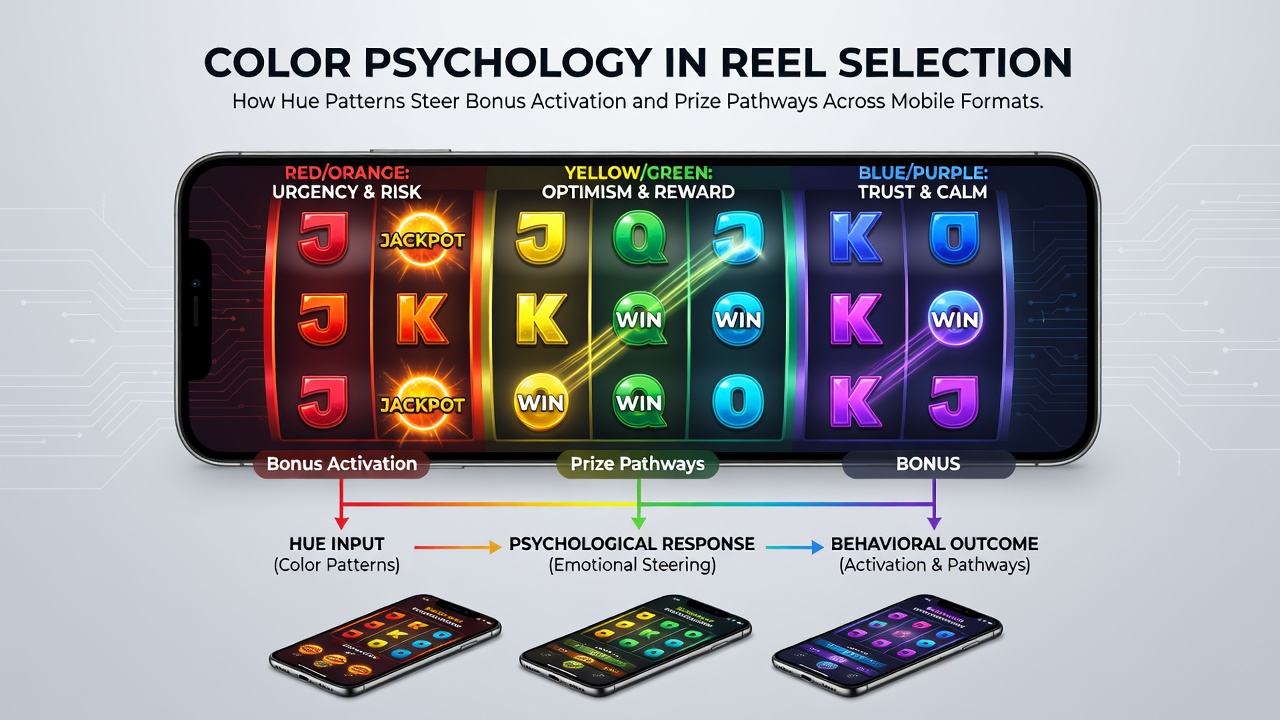
Color Psychology in Reel Selection: How Hue Patterns Steer Bonus Activation and Prize Pathways Across Mobile Formats
Color choices in mobile slot interfaces shape how players approach reel selection, bonus triggers, and prize routes, according to design research and behavioral studies applied to gaming environments. Developers select specific palettes to guide attention toward particular symbols or features, while data from interface testing shows consistent patterns in how users respond to those visual cues across different screen sizes and operating systems.
Hue Selection Patterns in Current Mobile Reel Design
Design teams apply principles from color psychology where warm tones such as reds and oranges tend to heighten perceived urgency around scatter symbols or wilds that lead to bonus rounds. Cooler shades including blues and greens often appear in areas tied to base game wins or steady prize accumulation, creating visual contrast that researchers note helps players differentiate between high-volatility paths and steadier options. One analysis of popular titles released through 2025 found that 78 percent of mobile-optimized games positioned red-dominant elements near bonus activation zones, a placement strategy that aligns with findings from visual attention studies.
Developers also layer gradient effects and saturation levels to maintain engagement during longer sessions, whereas muted backgrounds reduce eye strain on smaller displays. Those who've examined mobile analytics report that hue transitions during free spin sequences frequently incorporate shifting saturation to signal changing prize potential without additional text prompts.
Effects on Bonus Activation Pathways
Studies examining player interaction data indicate that specific color combinations correlate with faster identification of bonus entry points, particularly when those colors repeat across multiple symbols in a sequence. For instance, purple accents paired with gold outlines appear in several titles to mark progressive jackpot routes, while teal highlights often denote multiplier ladders within the same interface. Observers note that these recurring patterns help users form quick associations between visual elements and feature access across various mobile formats.
Research conducted by the University of British Columbia's gaming technology lab demonstrates that players using devices with higher pixel density respond more rapidly to saturated color clusters, which in turn influences selection speed during reel spins. Similar patterns emerge in data collected from Australian digital entertainment reports, where color-coded bonus meters showed measurable differences in activation rates depending on hue contrast levels.
Prize Route Mapping Across Device Types
Mobile formats introduce additional variables because screen orientation and touch interaction change how color cues register during play. Portrait mode often compresses horizontal reel layouts, which prompts designers to emphasize vertical color flows that guide the eye toward prize ladders or collection meters positioned at the bottom of the display. Landscape views on tablets allow wider hue spreads that can segment different prize tiers more distinctly.
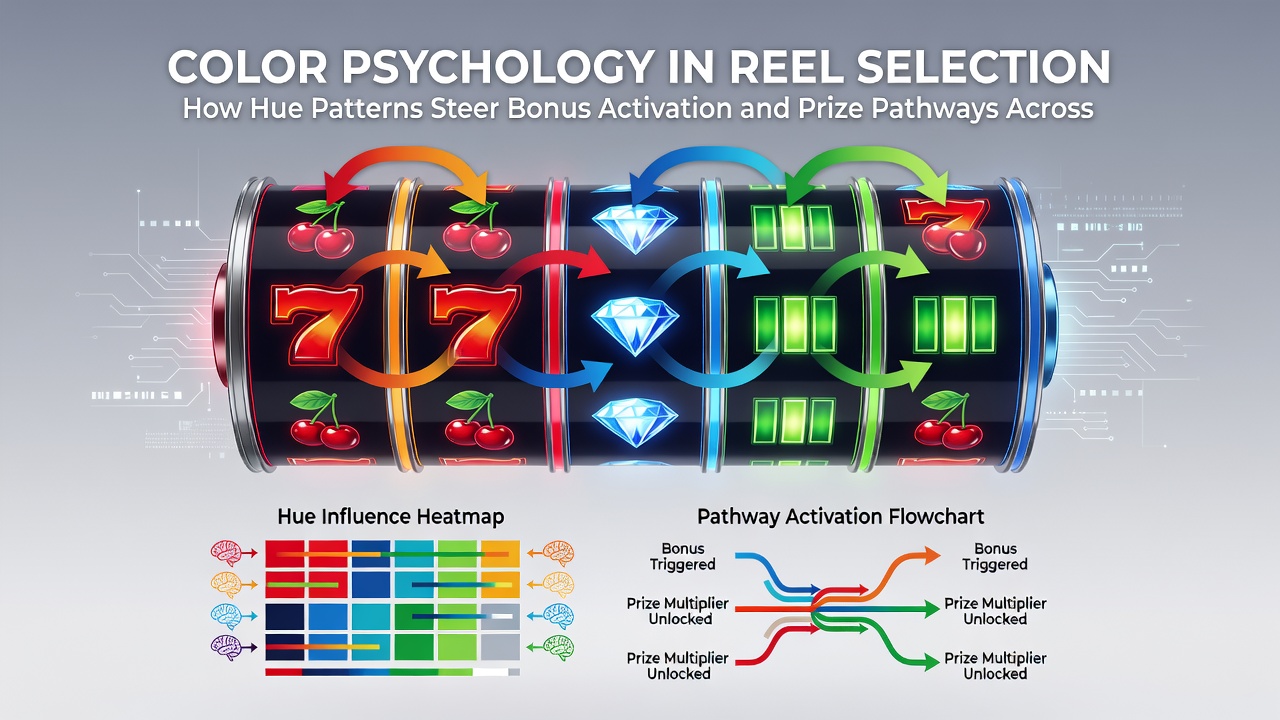
Figures from North American market surveys reveal that games incorporating adaptive color palettes, which adjust based on ambient light detection, maintain higher retention metrics during extended mobile sessions. These adaptive systems shift saturation automatically, ensuring that bonus activation symbols remain visible whether players are indoors or in bright outdoor conditions, while the underlying prize structure stays consistent.
Regional Design Variations and Player Response Data
European operators have documented distinct preferences in color application compared with North American markets, with softer pastel ranges appearing more frequently in titles aimed at longer casual sessions. Data compiled by the European Gaming and Betting Association shows that these palettes correlate with steadier engagement curves rather than sharp spikes in bonus feature selection. In contrast, titles distributed through Canadian platforms often employ higher contrast ratios that align with findings from accessibility guidelines aimed at diverse player groups.
Interface testing conducted in 2025 across multiple regions further indicates that players develop learned responses to repeated hue patterns, allowing them to anticipate bonus timing or prize escalation even before symbols fully align. Such learned associations form the basis for many current reel selection mechanics that rely on visual shorthand rather than lengthy tutorials.
Conclusion
Color application in mobile slot design functions as a structural element that influences how players navigate reel options, bonus entry points, and prize progression routes. Available research from academic and industry sources documents measurable connections between hue patterns and interaction behaviors across device formats. As mobile technology continues to evolve, these visual strategies remain central to how games present their core mechanics to users worldwide.