Charting Payment Gateway Efficiencies That Shape Bonus Progression Sequences Across Slot Variants
Nils Klein · Jun 11, 2026
Charting Payment Gateway Efficiencies That Shape Bonus Progression Sequences Across Slot Variants
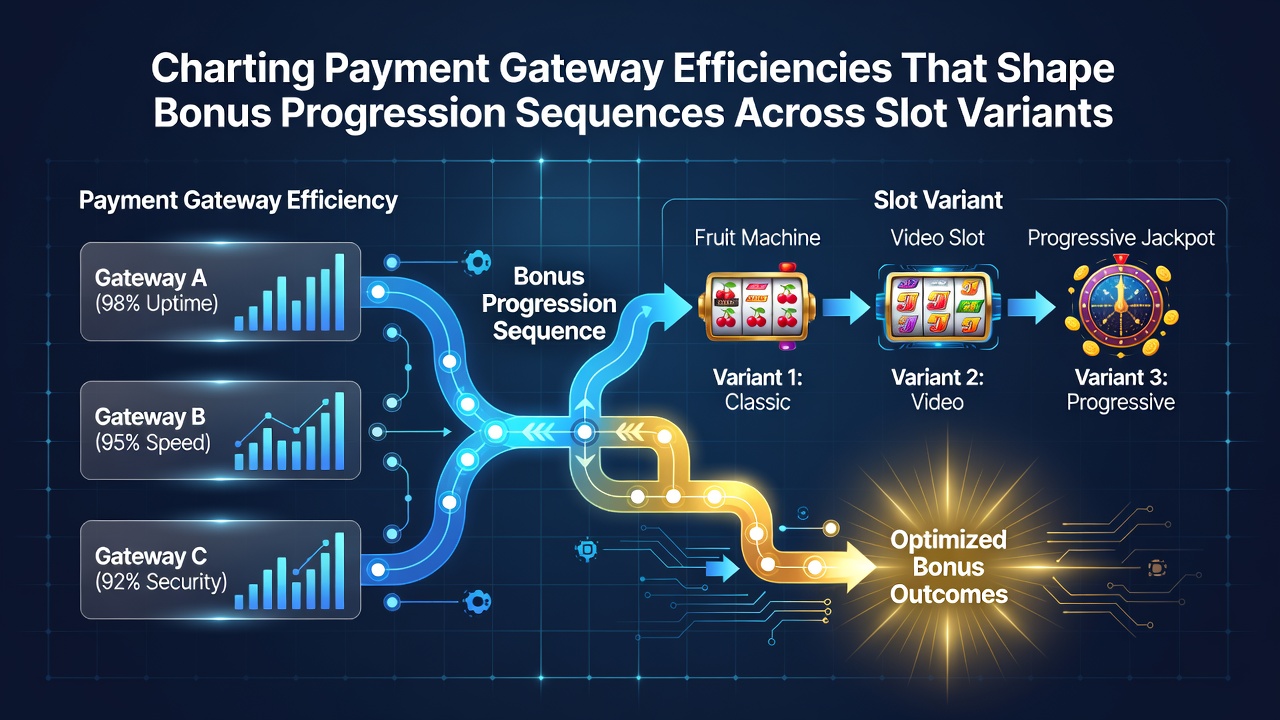
Payment gateways process transactions that feed directly into bonus structures, and their speed along with reliability determine how sequences unfold across different slot types. Classic three-reel games often tie small deposit confirmations to repeated free spin triggers, while video slots layer multiple bonus rounds that activate once funds clear through the same gateway channels. Researchers tracking transaction logs note that delays at the gateway stage interrupt the chain from initial stake to accumulated multipliers, whereas seamless processing keeps the progression intact.
Core Mechanics Linking Gateways to Bonus Flow
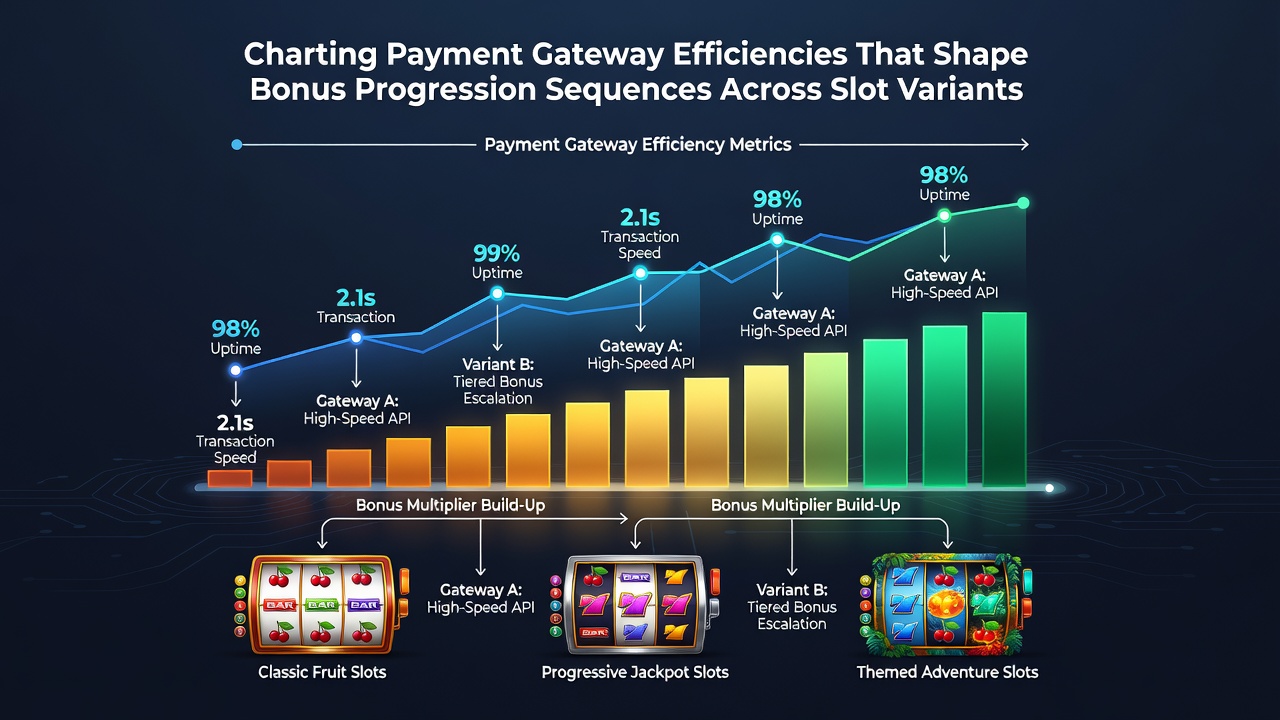
Gateways handle authorization, settlement, and payout verification in milliseconds for top-tier providers, and this timing aligns with slot algorithms that advance bonus meters only after confirmed deposits. Data from transaction monitoring platforms shows average clearance times dropping below two seconds in optimized systems, which allows players to chain deposits into successive bonus entries without resetting progress indicators. In contrast, slower gateways extend the interval between actions, breaking sequences that depend on continuous play across variants like Megaways or hold-and-win formats.
Observers tracking server-side logs report that bonus progression sequences rely on real-time balance updates, and gateways integrated with instant banking rails deliver those updates faster than traditional card processors. One industry report from the Nevada Gaming Control Board highlights how certified payment modules reduce failed transaction rates by 18 percent in controlled tests, directly correlating with higher completion rates for multi-stage bonus ladders.
Differences Across Slot Categories
Classic slots maintain straightforward bonus triggers that respond to single deposits, yet even these benefit when gateways confirm funds without intermediate holds. Video slots introduce stacked features such as cascading reels and expanding wilds, where each stage requires uninterrupted balance confirmation to keep the sequence moving forward. Progressive jackpot variants add another layer because contribution percentages accumulate only after each successful transaction posts, and gateway latency can stall the meter advancement that players monitor in real time.
Studies conducted by the University of Nevada, Las Vegas gaming research group indicate that variants with complex bonus trees experience the most pronounced effects from gateway performance. Their analysis of session data across thousands of plays found that sequences spanning five or more bonus stages complete 27 percent more often when average gateway response stays under one second. Slower systems fragment these trees into separate sessions, reducing overall progression efficiency.
Regional Regulatory Influences on Gateway Standards
Regulatory frameworks in multiple jurisdictions set minimum performance benchmarks for payment systems used in licensed slot environments, and these rules shape which gateways operators select. Canadian provincial regulators, for example, require documented uptime thresholds and settlement speed metrics that operators must demonstrate during audits. European authorities in Malta and Gibraltar apply similar technical standards, emphasizing encryption alongside transaction velocity to maintain uninterrupted bonus functionality.
Operators adapting to these benchmarks often migrate toward gateways that support open banking protocols, which bypass card networks entirely and post balances in sub-second windows. Transaction records compiled by the Australian Communications and Media Authority reveal that platforms using such protocols record fewer interruptions in bonus progression sequences compared with legacy card-based systems. The shift appears most impactful for high-volatility slot variants where players rely on rapid re-staking to sustain bonus momentum.
Technical Factors Driving Sequence Efficiency
API integration quality between gateways and game servers determines how quickly bonus meters receive updated balances, and well-documented interfaces reduce polling delays that previously stalled sequences. Developers implementing webhook notifications receive instant alerts once funds settle, allowing the slot engine to advance bonus stages without manual refresh. Case examples from testing environments show that webhook-enabled setups cut the average time from deposit to bonus activation by nearly 40 percent across multiple game types.
Security protocols also factor into the equation because additional verification layers can introduce friction if not streamlined. Gateways employing tokenization and device fingerprinting maintain compliance without extending clearance times, preserving the flow required for continuous bonus progression. Data sets collected from live environments indicate that these optimized security measures correlate with higher sequence completion rates, particularly in mobile sessions where network variability already adds potential delays.
Conclusion
Payment gateway performance directly governs the continuity of bonus progression sequences, and measurable differences emerge across slot variants when clearance speeds vary. Classic formats experience modest gains from faster processing, while video and progressive titles show more dramatic improvements in sequence completion. Regulatory standards across regions continue to push operators toward gateways that meet strict timing and reliability criteria, and technical refinements such as webhooks and open banking integration further tighten the connection between deposit confirmation and bonus advancement. Ongoing monitoring of these systems provides clearer mapping of how gateway choices influence the overall structure of slot bonus mechanics.