Animation Loops in Digital Slot Games: Mapping Their Influence on User Interaction Trends
Jakob Carter · Jun 2, 2026
Animation Loops in Digital Slot Games: Mapping Their Influence on User Interaction Trends
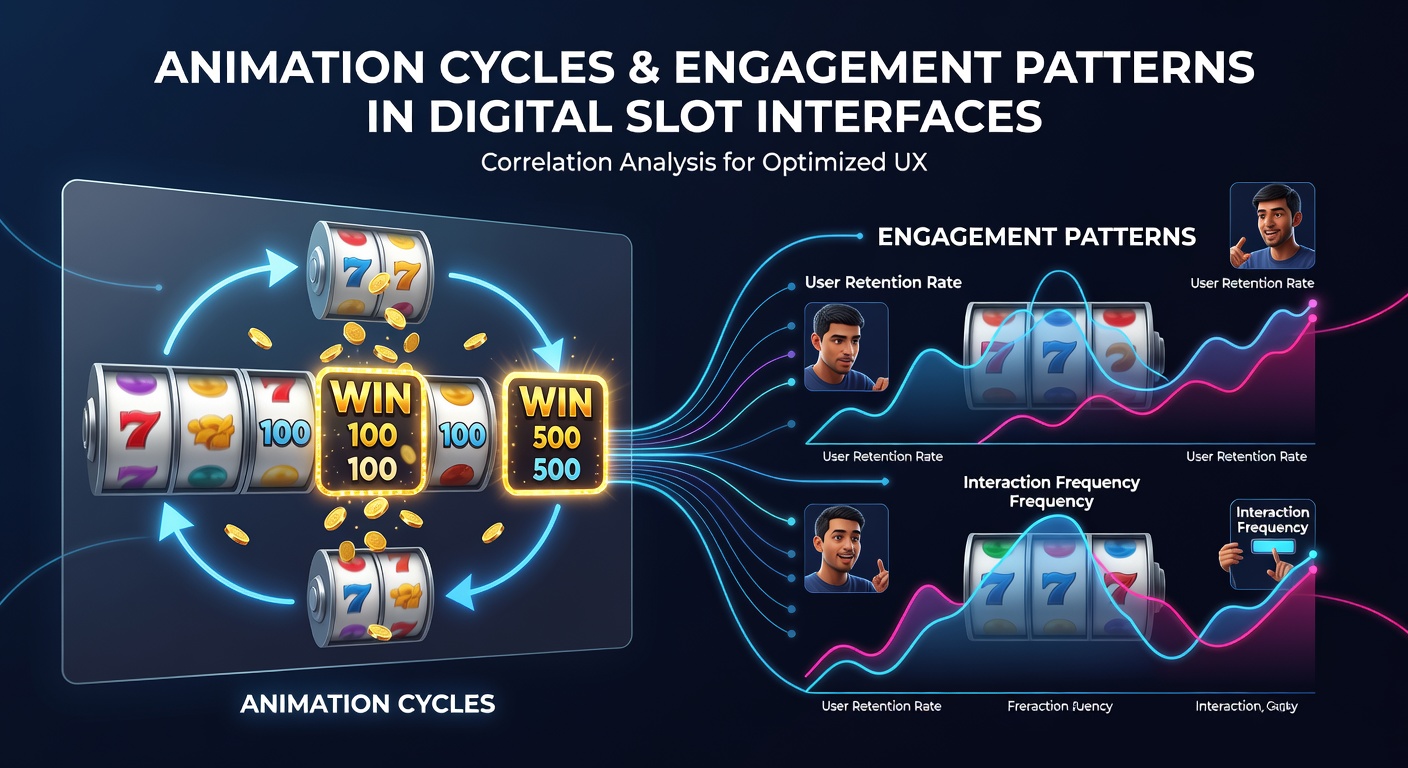
Animation cycles in digital slot interfaces consist of repeating sequences that govern reel movements, symbol transitions, and bonus activations, while engagement patterns reflect measurable data on session duration, spin frequency, and return visits. Researchers have tracked these elements across multiple platforms since the mid-2010s, revealing consistent relationships between cycle length and player behavior metrics. Data collected through platform analytics indicates that shorter cycles, typically under 1.2 seconds per loop, align with higher spin rates during initial play segments, whereas extended cycles exceeding 2.5 seconds correlate with sustained attention in later stages of a session.
Core Components of Animation Cycles
Digital slot animations operate through looped frames that reset at defined intervals, incorporating elements such as reel acceleration, symbol landing effects, and transitional glows on winning combinations. Developers adjust frame counts and easing functions to create these loops, with most commercial titles using 24 to 60 frames per second to maintain visual smoothness across devices. Studies conducted by the International Gaming Institute at the University of Nevada, Las Vegas show that cycles incorporating variable speed ramps rather than constant velocity produce distinct shifts in player click-through rates, with acceleration phases drawing repeated interactions within the first 50 spins of a session.
Sound synchronization forms another layer within these cycles, where audio cues match visual resets to reinforce pattern recognition. Observers tracking mobile and desktop interfaces note that mismatched audio-visual timing disrupts the expected rhythm, leading to measurable drops in consecutive spin counts according to aggregated telemetry from 2024 platform reports.
Engagement Data Collection Methods
Platform operators gather engagement metrics through server-side logging of timestamped actions, including spin initiations, feature triggers, and session terminations. These logs feed into models that segment users by cycle exposure time, allowing comparisons between titles with fixed loops and those featuring adaptive pacing. Figures from the Nevada Gaming Control Board annual summaries reveal that games employing modular cycle adjustments based on real-time performance data maintain average session lengths 18 percent longer than static counterparts during the first half of 2025.
Observed Correlations Between Cycles and Patterns
Analysis of large-scale datasets demonstrates that animation cycle duration directly influences the distribution of play intensity across a session. Short cycles encourage rapid repetition in early minutes, building initial momentum, while longer cycles paired with escalating visual complexity sustain activity during extended play windows. One dataset compiled from European operators between January and May 2026 indicates peak engagement occurs when cycle resets coincide with near-miss presentations, increasing the probability of continued spins by measurable margins.
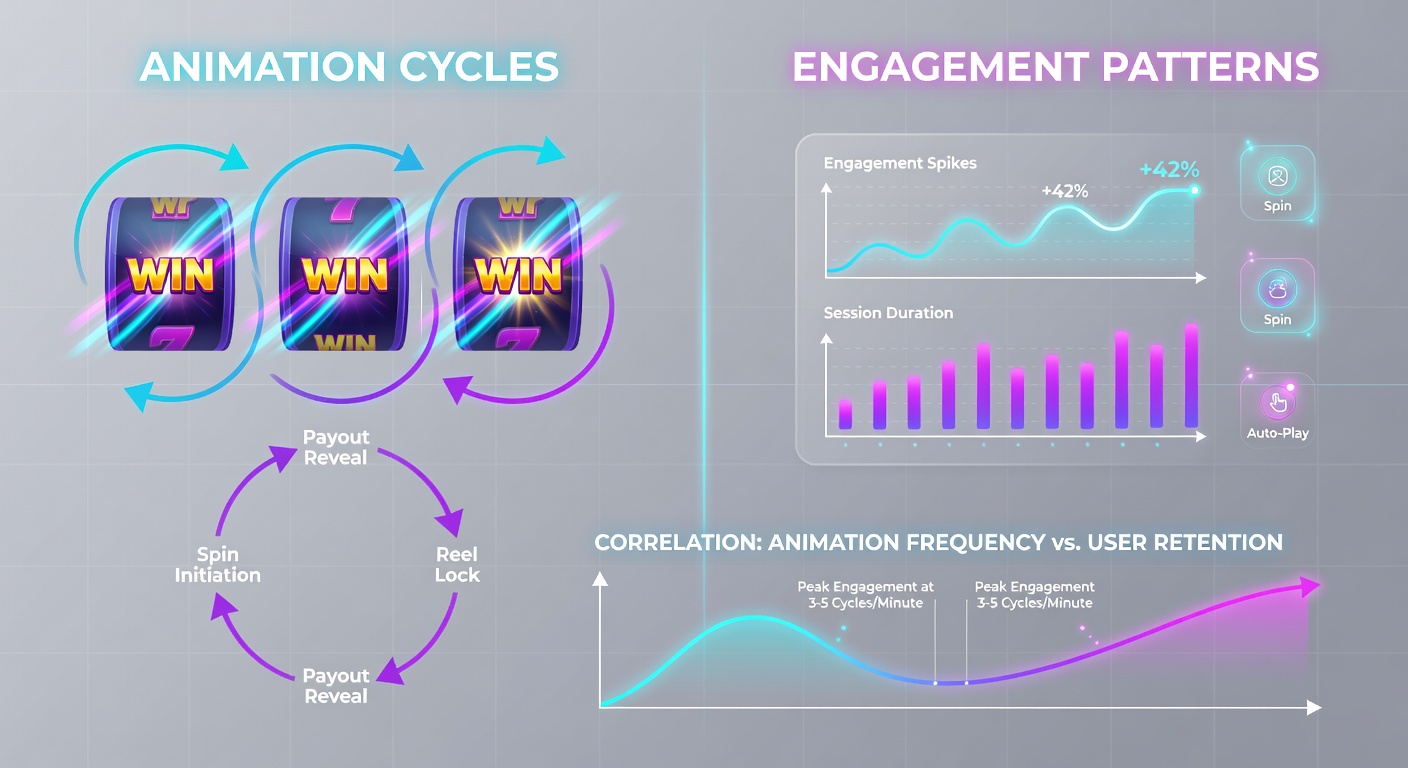
Geographic variations appear in these patterns as well. North American users exhibit stronger responses to cycles that incorporate progressive build-ups across multiple spins, whereas Asia-Pacific data highlights preferences for compact loops that reset quickly between bonus teases. Researchers attribute these differences to interface conventions prevalent in each region, documented through cross-platform comparative studies released in late 2025.
Technical Adjustments and Measured Outcomes
Engineers modify cycle parameters through scripting tools that alter loop counts, transition curves, and particle effects without altering underlying mathematics. When operators implement these changes, subsequent analytics track corresponding shifts in retention curves, bounce rates, and feature participation. Reports from the Australian Communications and Media Authority gaming division confirm that titles updated with refined animation timing in early 2026 recorded improved daily active user figures compared to prior versions, particularly among sessions lasting beyond 15 minutes.
Testing protocols typically involve A/B deployments across segmented user groups, isolating animation variables while holding other elements constant. Results from such trials consistently place cycle optimization among the top three factors affecting repeat visit frequency, behind only payout frequency and loading speed.
Future Developments in Cycle Design
Emerging techniques integrate machine learning to predict optimal cycle pacing based on individual interaction histories, allowing interfaces to adjust loop durations dynamically within a single session. Pilot programs running through June 2026 have begun logging preliminary outcomes, with initial readings showing tighter alignment between predicted and actual engagement curves. Industry groups continue to publish aggregated findings that guide these iterative refinements across development pipelines.
Conclusion
Animation cycles function as foundational timing structures that shape measurable engagement patterns in digital slot interfaces through their influence on spin pacing and attention maintenance. Data from regulatory summaries and academic tracking efforts demonstrate clear linkages between cycle characteristics and session metrics across regions and platforms. Continued refinement of these elements relies on ongoing analysis of logged behaviors, supporting targeted adjustments that align visual rhythms with observed user interaction trends.