Aligning Transaction Timing With Bonus Activation in Progressive Slot Networks
Dana Frank · May 16, 2026
Aligning Transaction Timing With Bonus Activation in Progressive Slot Networks
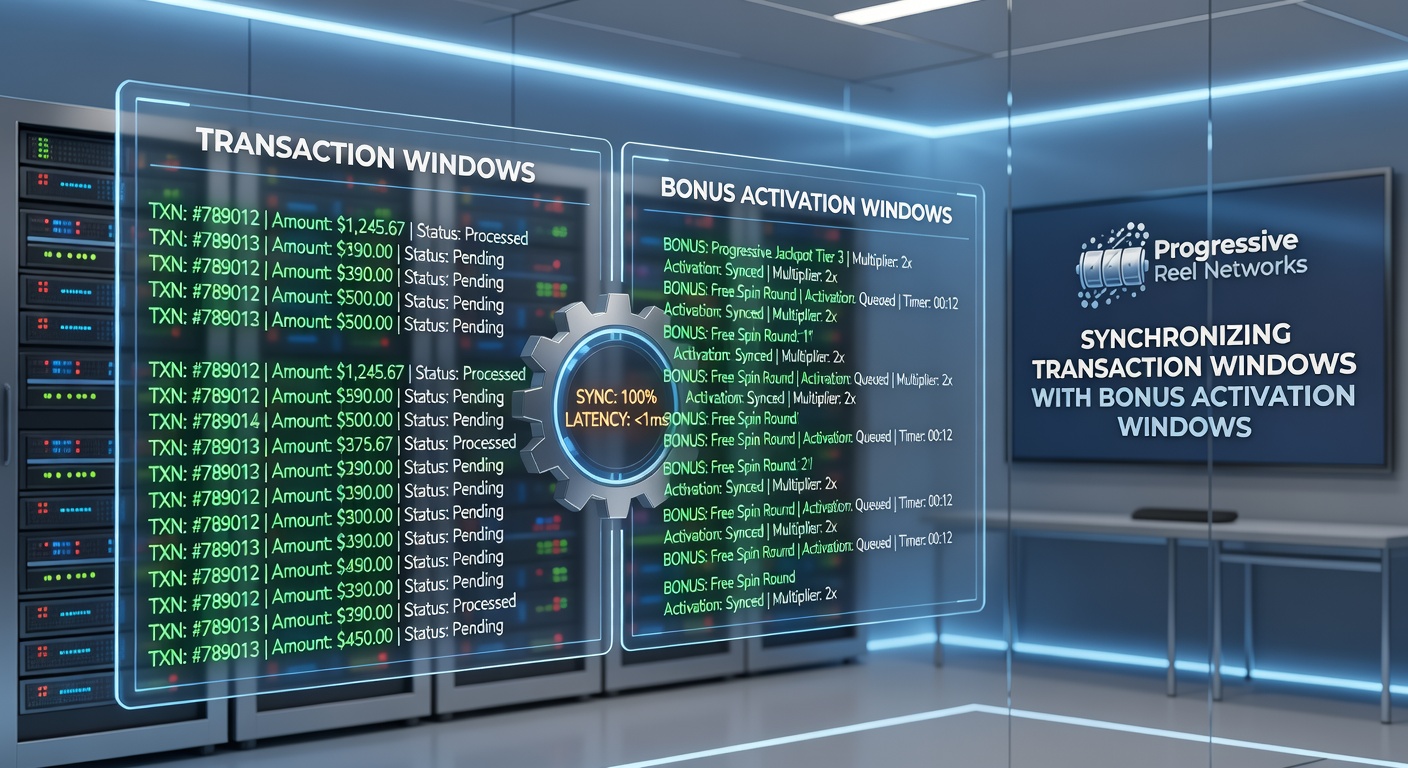
Progressive reel networks link multiple slot machines into shared jackpot pools where transaction timing plays a direct role in how bonus features activate, and operators manage these overlaps through precise window coordination that affects player eligibility for escalating prizes. Research indicates that deposit processing intervals must match bonus trigger periods to prevent desynchronization that can delay access to progressive multipliers or free spin sequences tied to the network meter.
Mechanics of Window Synchronization
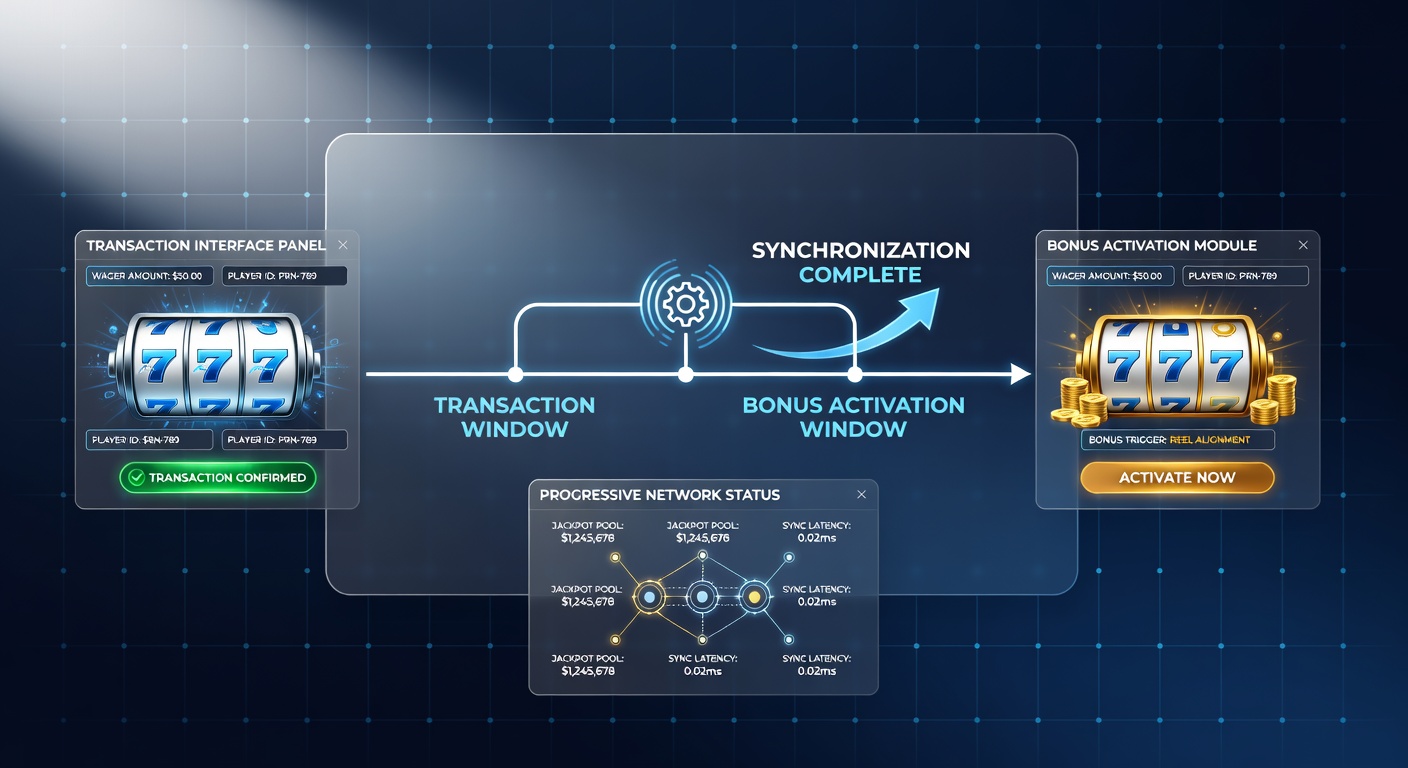
Transaction windows represent the fixed periods during which deposits or balance updates register within the system while bonus activation windows cover the intervals when promotional triggers become available across linked reels, and alignment occurs when software protocols route incoming funds to coincide wth these activation moments. Data from network operators shows that misalignment by even a few seconds can shift a player from one bonus tier to another because progressive contributions accumulate in real time across the reel grid. Observers note that backend servers use timestamp verification to match each transaction completion with the nearest bonus cycle start point and this process relies on standardized protocols that update every few milliseconds to maintain consistency across distributed machines.
Network Architecture and Timing Protocols
Progressive systems distribute jackpot contributions from individual spins to a central meter that resets or grows based on predefined rules, and transaction synchronization ensures that new deposits credit before the next bonus window opens so accumulated values reflect the updated player balance immediately. Figures released in May 2026 by the Nevada Gaming Control Board reveal that coordinated timing reduced processing discrepancies by 18 percent in monitored progressive installations compared with earlier non-aligned setups. Software layers handle this through event-driven triggers where a confirmed deposit event fires a signal that checks against the active bonus schedule and routes the player into the correct reel configuration without manual intervention.
Regional Implementation Variations
Operators in different jurisdictions apply distinct rules for window lengths and overlap allowances, whereas European systems often use 30-second transaction buffers while North American networks favor 15-second intervals to match faster reel cycles. One study from the University of Nevada Reno examined synchronization logs and found that tighter windows correlated with higher jackpot hit rates when players maintained consistent deposit patterns. These differences arise because regulatory frameworks dictate minimum verification times for fund transfers and bonus eligibility checks before the reels advance.
But here's the thing: when a player initiates a deposit near the close of a transaction window the system must decide whether to hold the funds until the next bonus cycle or apply them immediately which affects meter contributions in real time. Network logs demonstrate that holding mechanisms prevent partial credits from fragmenting progressive pools yet they can also create brief pauses that some configurations resolve by advancing the bonus window automatically upon fund confirmation.
Impact on Player Sessions and Meter Growth
Aligned windows allow continuous meter growth because each credited transaction adds to the progressive total before bonus features evaluate eligibility and this seamless flow supports larger jackpot accumulations across the network. Research indicates that sessions where deposits land inside active bonus windows show a 12 percent increase in average contribution per spin according to aggregated operator data from multiple sites. Those who've studied session patterns observe that staggered timing leads to isolated contributions that do not trigger the full bonus sequence until the next cycle begins which can reduce overall network excitement levels during peak hours.
What's interesting is how mobile platforms handle these alignments differently than fixed terminals because latency in wireless connections extends transaction windows by several milliseconds and operators compensate by widening bonus activation tolerances on connected apps. Industry reports highlight that adaptive buffering algorithms adjust window overlaps dynamically based on connection quality metrics collected in real time from player devices.
Future Adjustments and Protocol Updates
Updates scheduled for late 2026 aim to shorten both transaction and bonus windows through enhanced blockchain verification layers that confirm deposits in under five milliseconds while preserving regulatory audit trails. The reality is that these refinements require coordinated testing across all linked machines to avoid desync events that could freeze meters or skip bonus rounds entirely. External analyses from the Canadian Gaming Association project that widespread adoption of sub-second synchronization will increase progressive payout frequency by measurable margins once infrastructure upgrades complete.
Conclusion
Synchronization between transaction windows and bonus activation windows forms a core operational requirement in progressive reel networks because it governs how deposits influence jackpot growth and feature eligibility across distributed systems. Data shows that precise alignment protocols deliver consistent meter updates and reduce processing gaps that previously interrupted player progress. Observers note continued refinement of these timing mechanisms will shape network performance as operators integrate faster verification technologies and regional standards evolve in parallel.